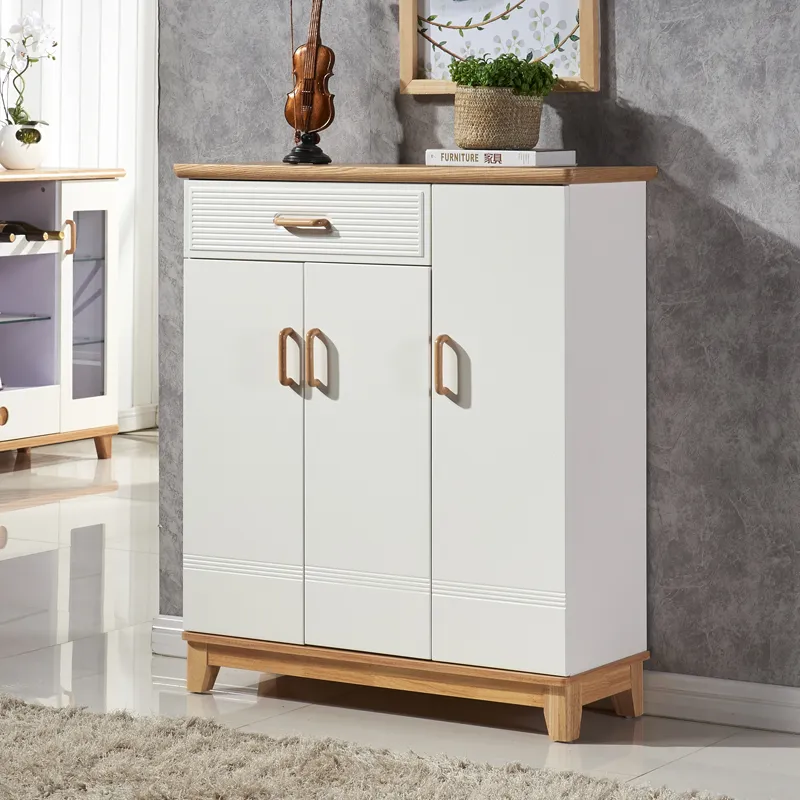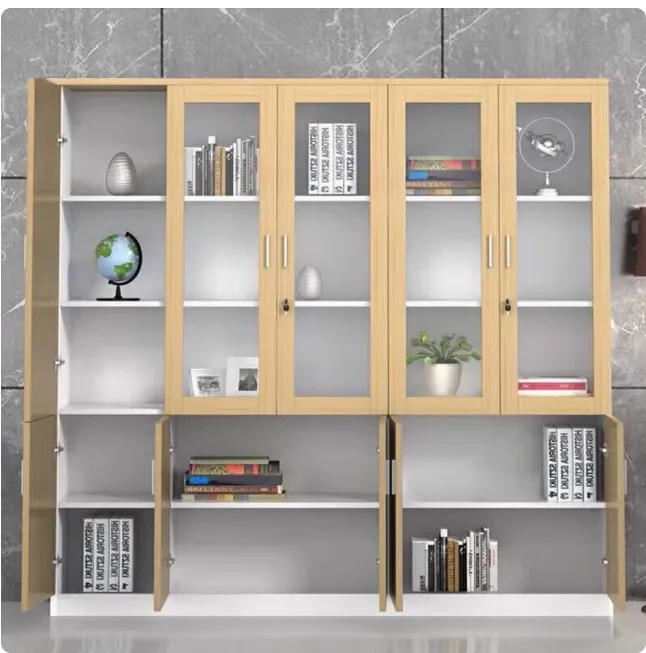
In today’s international furniture market, selecting between wood furniture and panel furniture can be overwhelming. Understanding the core differences in material composition, durability, environmental credentials, and maintenance is essential before placing that decisive order. Your home or commercial space deserves the best fit — and choosing wisely means saving both money and effort in the long run. Whether you are a high-end buyer seeking natural authenticity or a cost-conscious customer focused on value, this guide arms you with practical insights.
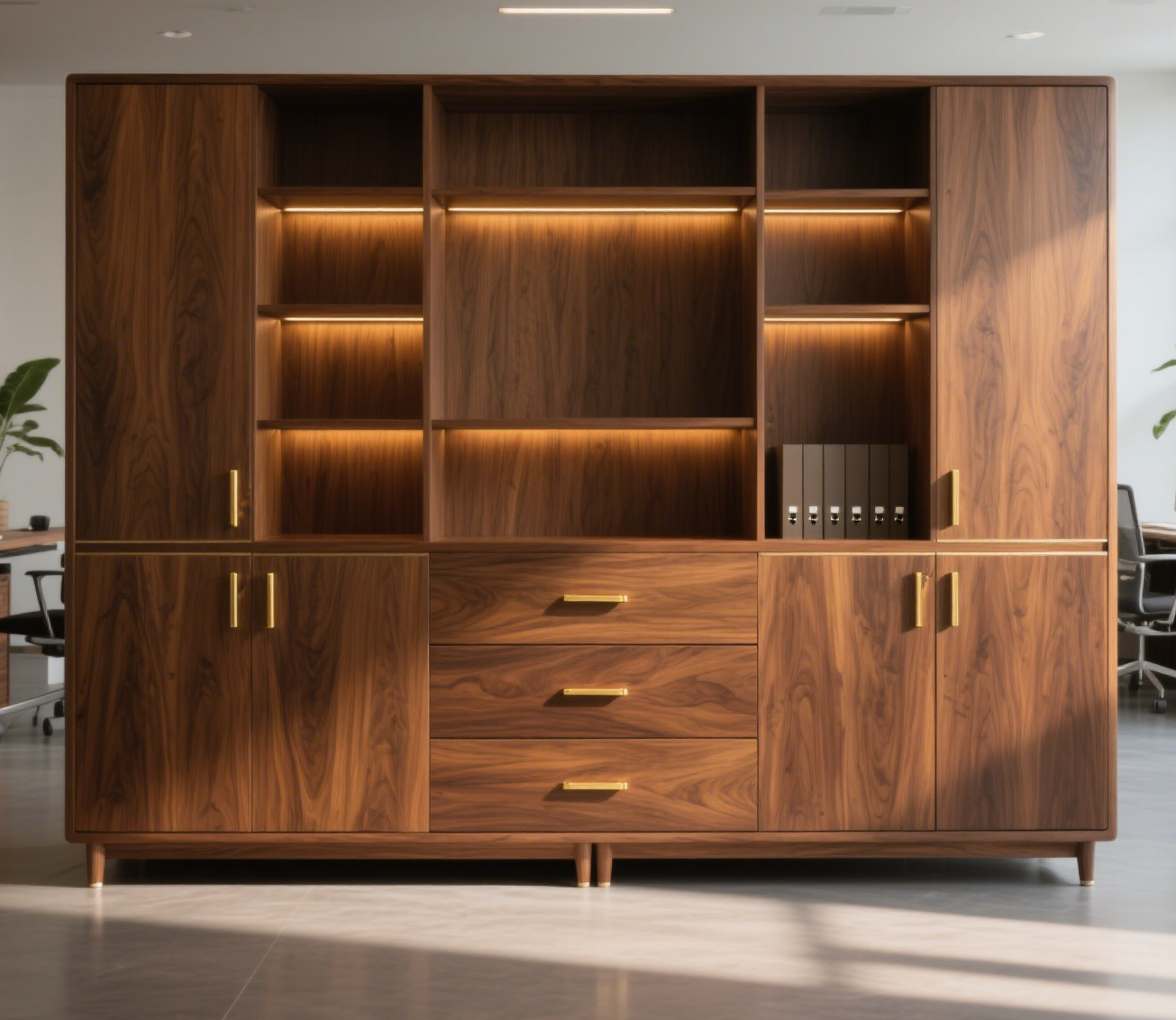
Wood furniture is crafted from solid timber such as oak, maple, or walnut, which boasts a natural grain and robust structure. This organic origin often appeals to customers valuing sustainability, given that many suppliers now ensure FSC or PEFC certification for responsible forest management.
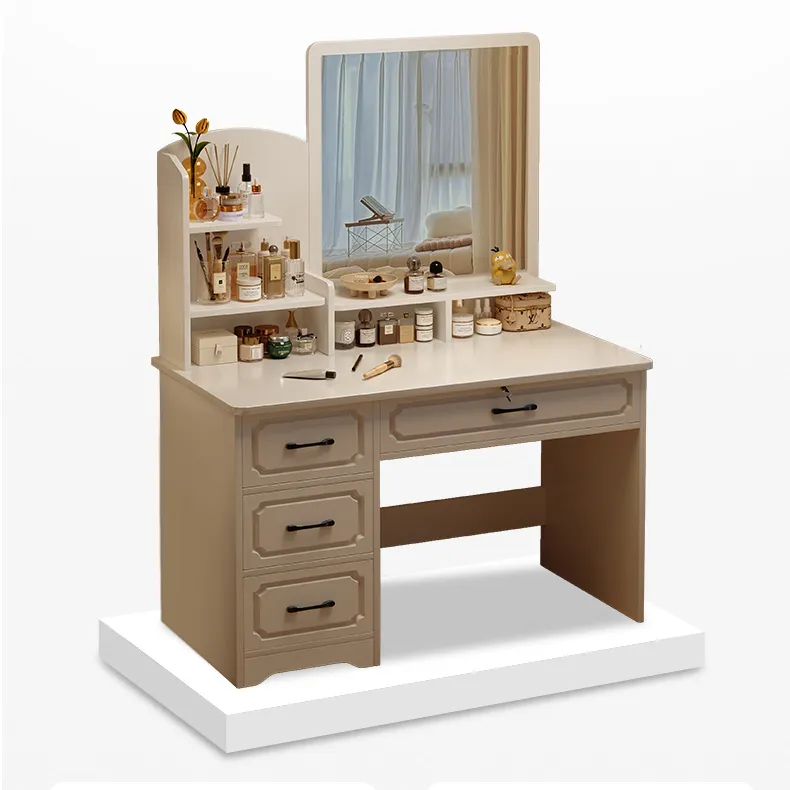
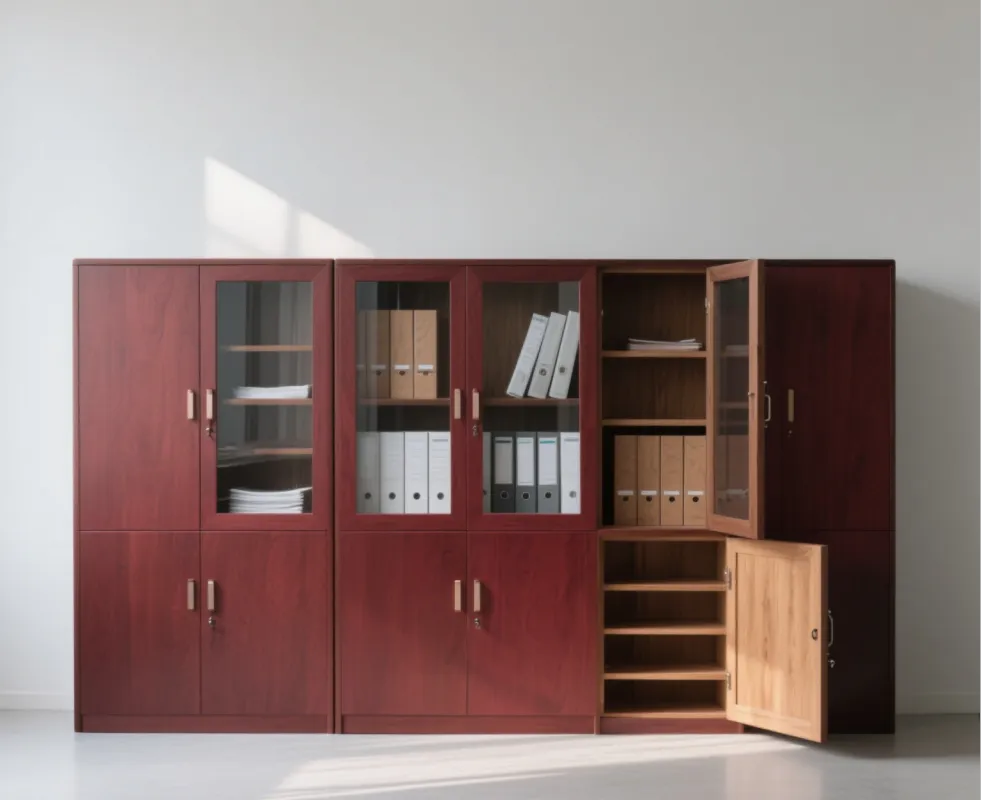
Panel furniture, on the other hand, is typically manufactured using engineered wood products like MDF, particleboard, or plywood laminated with a veneer or melamine finish. Though often more affordable, panel furniture’s environmental credentials largely depend on the adhesives and coatings used — buyers should look out for low VOC (volatile organic compounds) certifications to ensure indoor air quality.
| Feature | Wood Furniture | Panel Furniture |
|---|---|---|
| Material Source | Solid natural wood (oak, walnut, etc.) | Engineered wood (MDF, particleboard) |
| Environmental Certification | FSC, PEFC certified | Low VOC, CARB Phase 2 compliance |
| Durability | High; lasts 20+ years with proper care | Moderate; approx. 10-15 years lifespan |
| Maintenance | Requires periodic polishing and humidity control | Easy to clean; avoid moisture exposure |
Environmental factors like temperature and humidity significantly influence furniture longevity. Wood furniture thrives in well-ventilated and climate-controlled spaces. Yet it can expand or contract in very humid or dry conditions, so installing in stable environments is advisable.
Panel furniture, due to its engineered composition, offers better resistance to warping under fluctuating humidity but is vulnerable to water damage if left exposed. It is well-suited for rental apartments or office spaces where cost-effectiveness and ease of replacement are prioritized.
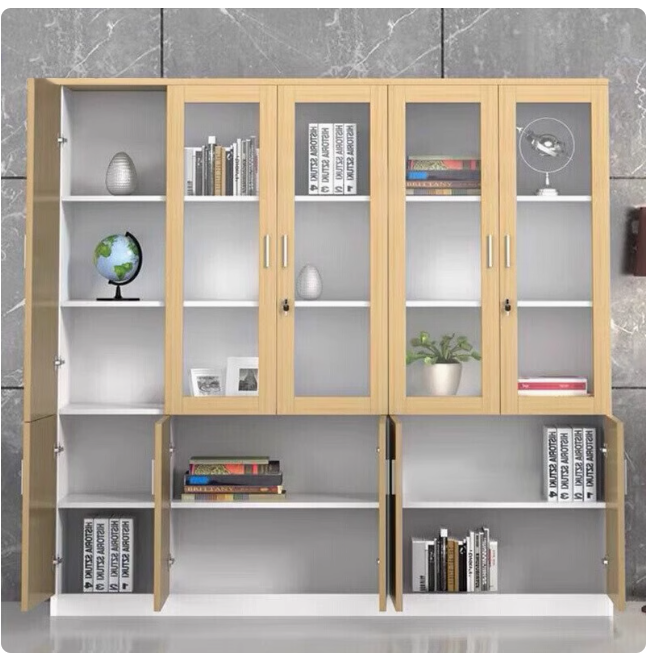
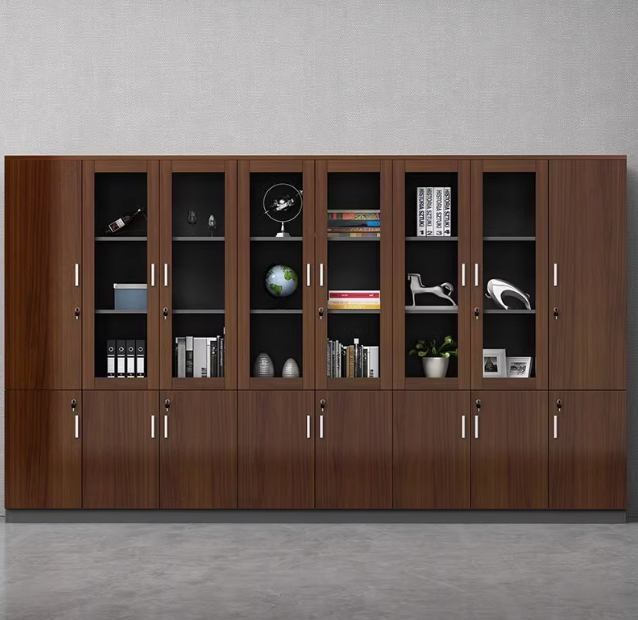
While wood furniture demands initial investment in polishing and climate control, its lifespan can exceed 20 years, ultimately reducing replacement costs. Panel furniture’s low maintenance routine—wiping with a damp cloth and avoiding water spills—makes it ideal for users seeking straightforward upkeep. However, expect replacement cycles every 10–15 years, which can accumulate higher costs in high-use scenarios.
| Factor | Wood Furniture | Panel Furniture |
|---|---|---|
| Initial Cost | Higher ($500+ per item average) | Lower ($150-$300 per item average) |
| Maintenance Effort | Moderate (seasonal polishing) | Minimal (basic cleaning) |
| Lifespan & Replacement | 20+ years (long-term saving) | 10-15 years (more frequent replacement) |
Your home deserves better — Choose furniture that combines style, function, and peace of mind today!


 337
|
337
|
 wooden minimalist shoe cabinet
family shoe cabinet selection
solid wood cabinet maintenance
232
|
oak furniture
walnut furniture
office environment
furniture comparison
oak vs walnut advantages and disadvantages
176
|
eco-friendly materials
modern design
multifunctional
65
|
office efficiency
ergonomic design
office furniture
374
|
Wood wax oil for furniture maintenance
Moisture protection and cleaning of wooden furniture
Scratch repair techniques
Value-added of foreign trade home furnishings
Solid wood furniture care guide
wooden minimalist shoe cabinet
family shoe cabinet selection
solid wood cabinet maintenance
232
|
oak furniture
walnut furniture
office environment
furniture comparison
oak vs walnut advantages and disadvantages
176
|
eco-friendly materials
modern design
multifunctional
65
|
office efficiency
ergonomic design
office furniture
374
|
Wood wax oil for furniture maintenance
Moisture protection and cleaning of wooden furniture
Scratch repair techniques
Value-added of foreign trade home furnishings
Solid wood furniture care guide




.png?x-oss-process=image/resize,h_800,m_lfit/format,webp)