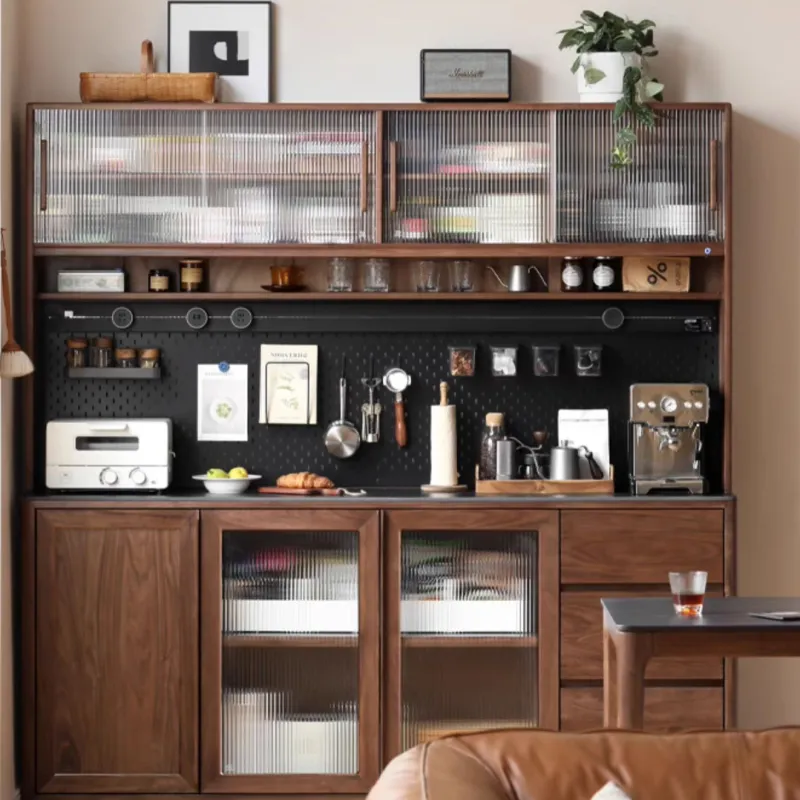
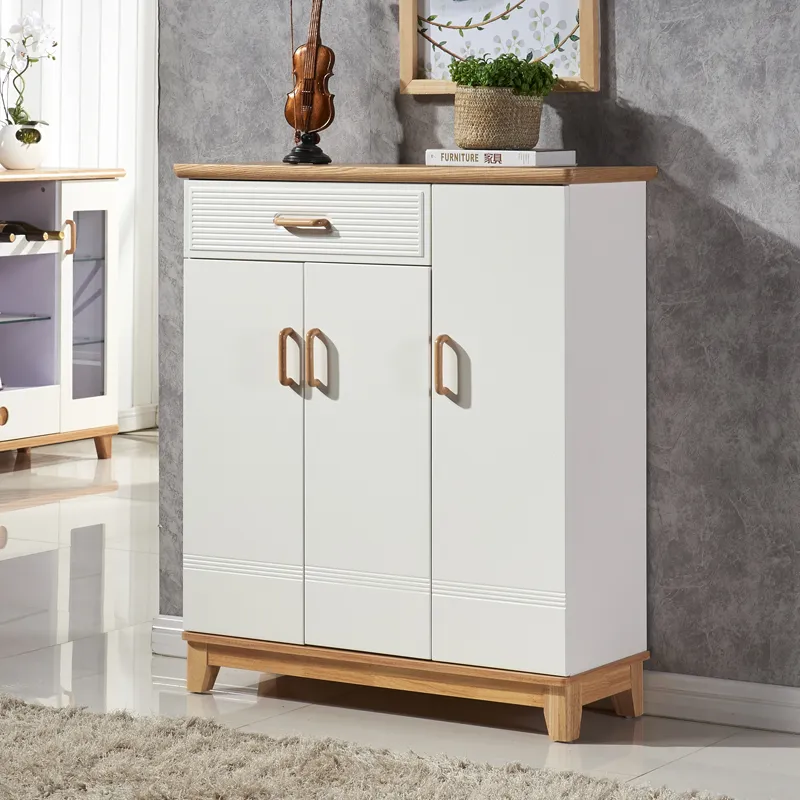
When it comes to exporting wooden furniture, understanding material differences isn’t just about aesthetics—it’s a strategic decision that impacts durability, cost-efficiency, and buyer trust across markets like North America, Europe, and the Middle East.
According to industry data from the International Wood Products Association (IWPA), over 67% of global furniture buyers prioritize wood quality when evaluating suppliers—especially in high-value segments such as luxury home decor and commercial interiors. But not all woods are created equal.
| Wood Type | Durability (Years) | Avg. Price per Unit (USD) | Maintenance Needs |
|---|---|---|---|
| Oak | 15–25 | $120–$200 | Low (once/year oiling) |
| Pine | 8–12 | $60–$100 | Moderate (annual sealing) |
| Walnut | 20–30 | $180–$300 | Low (minimal care needed) |
“In the U.S. and EU markets, walnut is seeing a 12% YoY growth in demand—not just for its beauty, but because it’s seen as a long-term investment,” says Maria Lopez, Head of Sourcing at EuroFurnish Ltd.
For export-focused manufacturers, this means choosing wood based on both local market preferences and your production capabilities. For example, pine offers strong entry-level appeal in emerging markets like India and Southeast Asia due to its affordability and ease of machining—but may struggle in premium European retail channels where oak or walnut dominates.
Let’s break down what each wood brings to the table—and how you can match it with real-world buyer needs:
Remember: selecting the wrong wood doesn’t just affect product performance—it can damage your brand reputation. One client in Dubai reported that poorly stabilized pine shelves warped within six months, leading to a negative review and loss of repeat orders.
So how do you choose? Ask yourself: What space am I designing for? What’s my target customer’s budget range? And most importantly—what kind of experience do I want them to feel when they touch the wood?
Your business deserves better than guesswork. Let every piece of wood tell a story worth selling—because your customers aren’t just buying furniture. They’re investing in a lifestyle.


 278
|
278
|
 wooden shoe cabinet maintenance
home shoe cabinet selection
wooden shoe cabinet care
shoe cabinet storage tips
minimalist shoe cabinet recommendation
197
|
Solid wood furniture maintenance
Engineered wood furniture cleaning
Moisture - proof techniques for wooden furniture
Furniture scratch repair methods
Furniture daily care
116
|
wooden furniture maintenance
moisture prevention techniques for wooden furniture
scratch repair methods for wooden furniture
423
|
wooden shoe cabinet production process
minimalist shoe cabinet selection skills
solid - wood shoe cabinet maintenance methods
home storage solutions
foreign trade shoe cabinet quality standards
300
|
home organization
shoe cabinet design
space enhancement
wooden shoe cabinet maintenance
home shoe cabinet selection
wooden shoe cabinet care
shoe cabinet storage tips
minimalist shoe cabinet recommendation
197
|
Solid wood furniture maintenance
Engineered wood furniture cleaning
Moisture - proof techniques for wooden furniture
Furniture scratch repair methods
Furniture daily care
116
|
wooden furniture maintenance
moisture prevention techniques for wooden furniture
scratch repair methods for wooden furniture
423
|
wooden shoe cabinet production process
minimalist shoe cabinet selection skills
solid - wood shoe cabinet maintenance methods
home storage solutions
foreign trade shoe cabinet quality standards
300
|
home organization
shoe cabinet design
space enhancement