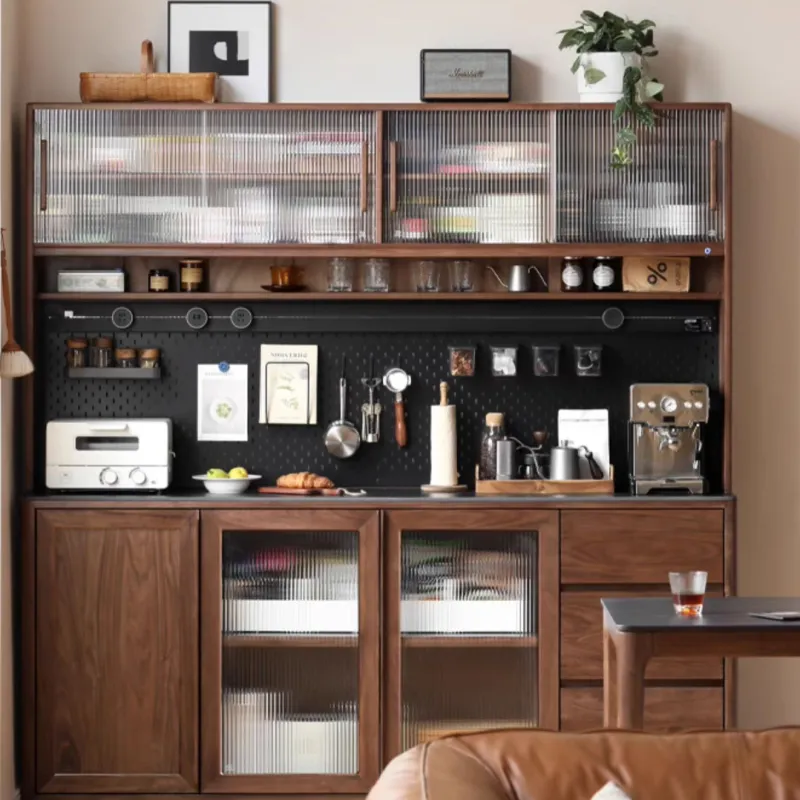
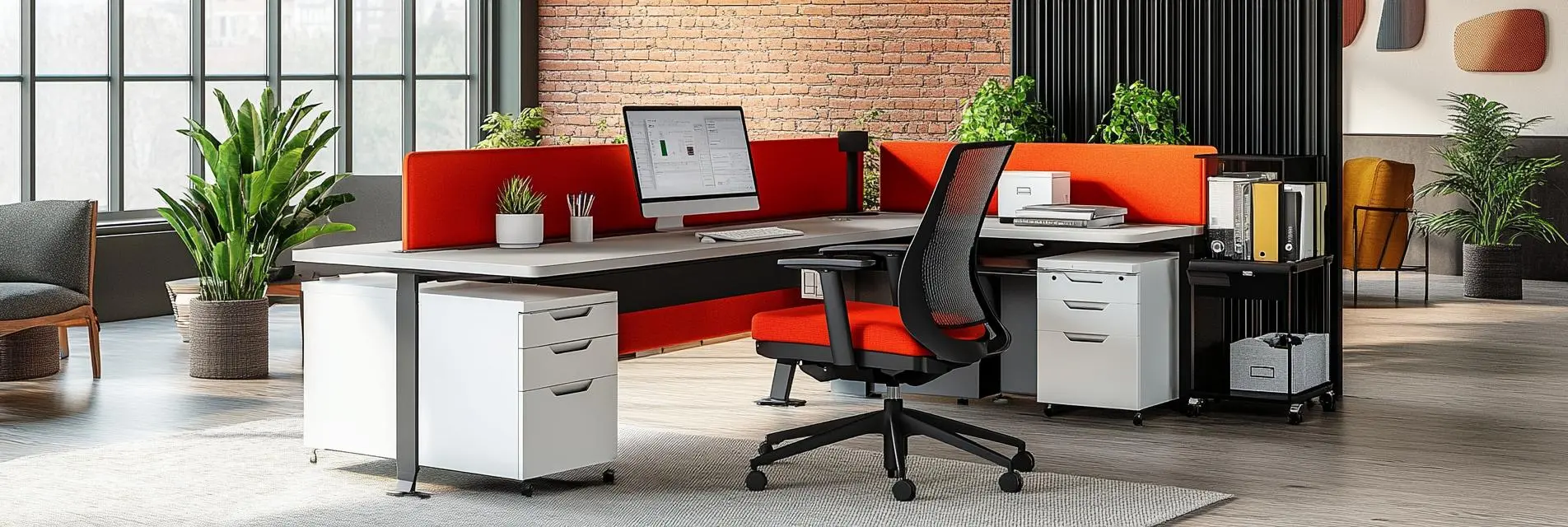
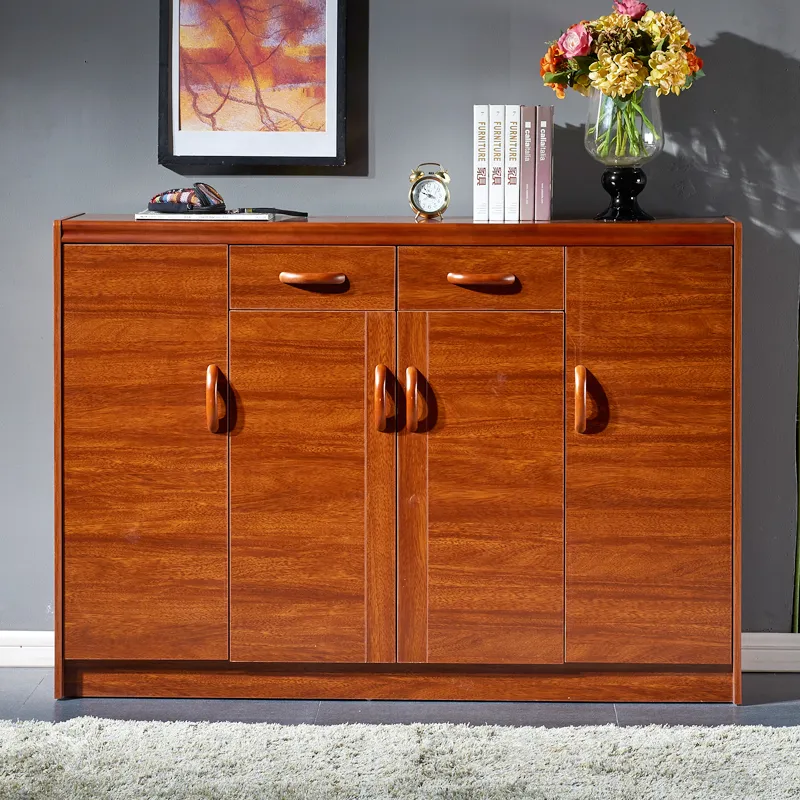
Deciding between wood furniture and panel furniture can often leave exporters and buyers in a dilemma. Both types serve distinct needs across varied budgets and use-cases. This guide dives deep into the core differences in material origins, durability, environmental impact, maintenance requirements, and practical applications—empowering you to make informed procurement decisions and ensure every cent you invest truly pays off.
Wood furniture is crafted from natural solid wood like oak, teak, walnut, or maple. Its intrinsic strength, grain uniqueness, and aging patina often represent premium craftsmanship. However, sourced timber can vary greatly due to species, curing methods, and origin—impacting both price and lifespan.
Panel furniture typically uses engineered wood products such as MDF, particleboard, or plywood combined with veneers or laminates. These panels come from faster renewable resources, making the furniture more cost-effective and lightweight but sometimes less durable under heavy use.
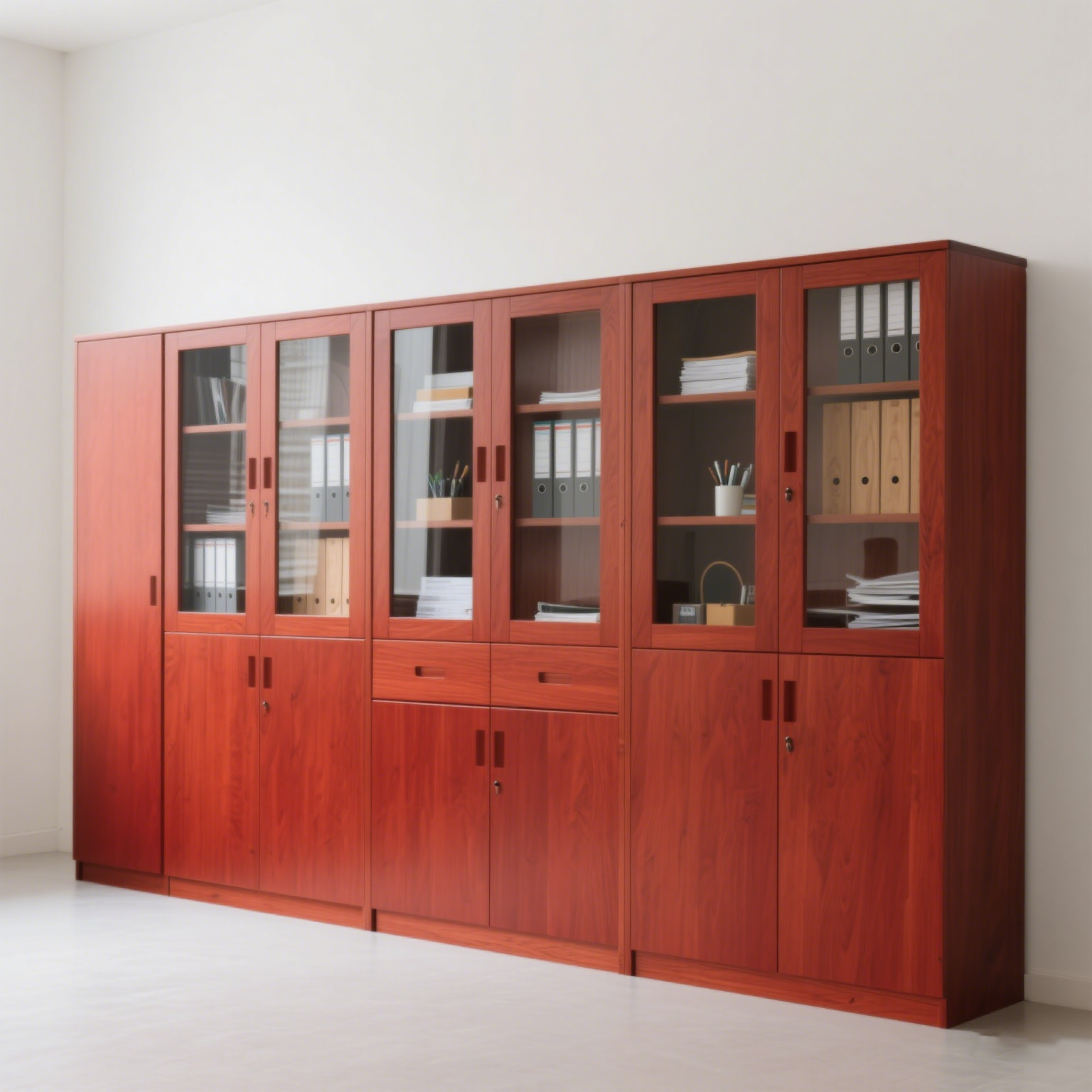
Today's export markets increasingly demand furniture that meets strict environmental standards. Solid wood furniture generally scores better for longevity and sustainability if sourced from FSC or PEFC certified forests. Meanwhile, some panel furniture might contain formaldehyde-based adhesives affecting indoor air quality. Opt for manufacturers supplying E0 or E1 grade certified boards to align with global import requirements and end-consumer safety expectations.
“We switched our boutique hotel’s furniture to solid wood pieces and noticed guests appreciate the rich atmosphere and durability. Though upfront cost was higher, long-term maintenance was easier and less frequent than expected.” — Verified Export Buyer
“As a startup office, panel furniture allowed us to furnish large spaces quickly on a tight budget. We balanced quality with price and replaced items selectively when wear appeared after two years.” — Small Business Owner
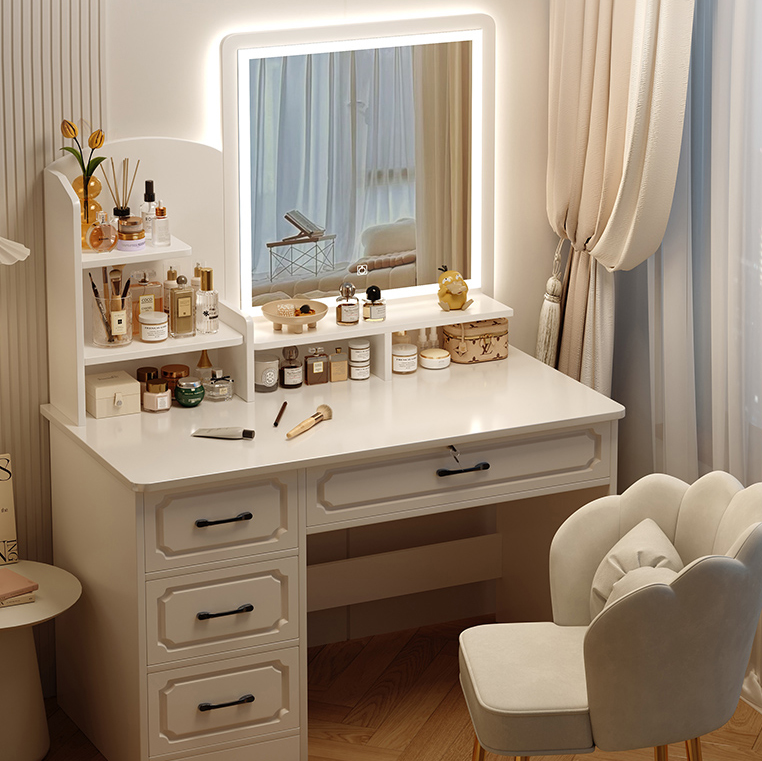
While wood furniture often boasts higher initial investment, its ability to appreciate in value due to craftsmanship and aging appeal can benefit exporters targeting premium segments. Panel furniture suits rapid-turnover markets valuing affordability and trend-driven designs.
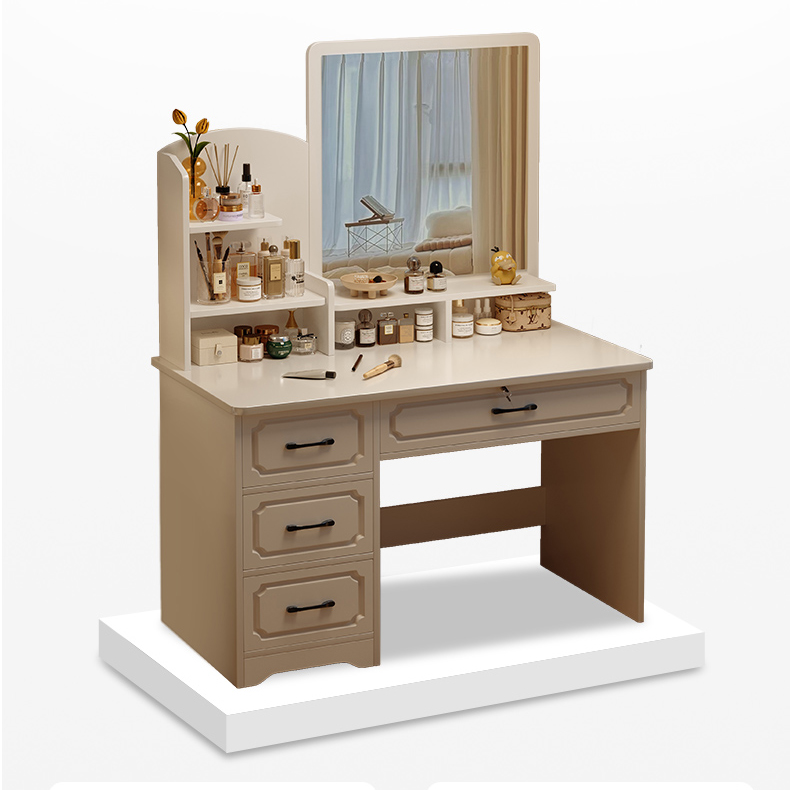
Make your sourcing smarter, not harder. Discover tailored wood and panel furniture options that match your clients' demands and budget constraints. Explore Our Comprehensive Furniture Export Solutions Now — because savvy buyers always check this detailed comparison first.
Which furniture type aligns best with your business strategy? Feel free to share your experience or ask questions in the comments!


 337
|
337
|
 wooden minimalist shoe cabinet
family shoe cabinet selection
solid wood cabinet maintenance
180
|
Home Decor
Shoe Cabinets
Space Organization
Entryway Storage
Modern Living
220
|
minimalist wooden shoe cabinet
home shoe storage cabinet
B2B shoe cabinet
170
|
wooden minimalist shoe cabinet
spacious shoe storage solutions
family-friendly shoe cabinets
217
|
Wooden furniture moisture protection techniques
Export furniture maintenance
Solid wood furniture dehumidification methods
Furniture scratch repair
Furniture care in humid environments
wooden minimalist shoe cabinet
family shoe cabinet selection
solid wood cabinet maintenance
180
|
Home Decor
Shoe Cabinets
Space Organization
Entryway Storage
Modern Living
220
|
minimalist wooden shoe cabinet
home shoe storage cabinet
B2B shoe cabinet
170
|
wooden minimalist shoe cabinet
spacious shoe storage solutions
family-friendly shoe cabinets
217
|
Wooden furniture moisture protection techniques
Export furniture maintenance
Solid wood furniture dehumidification methods
Furniture scratch repair
Furniture care in humid environments