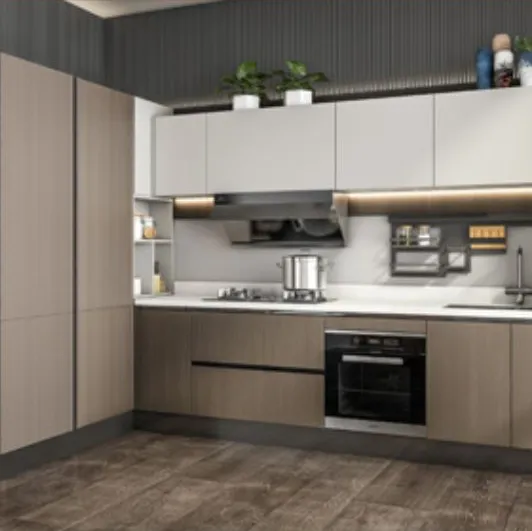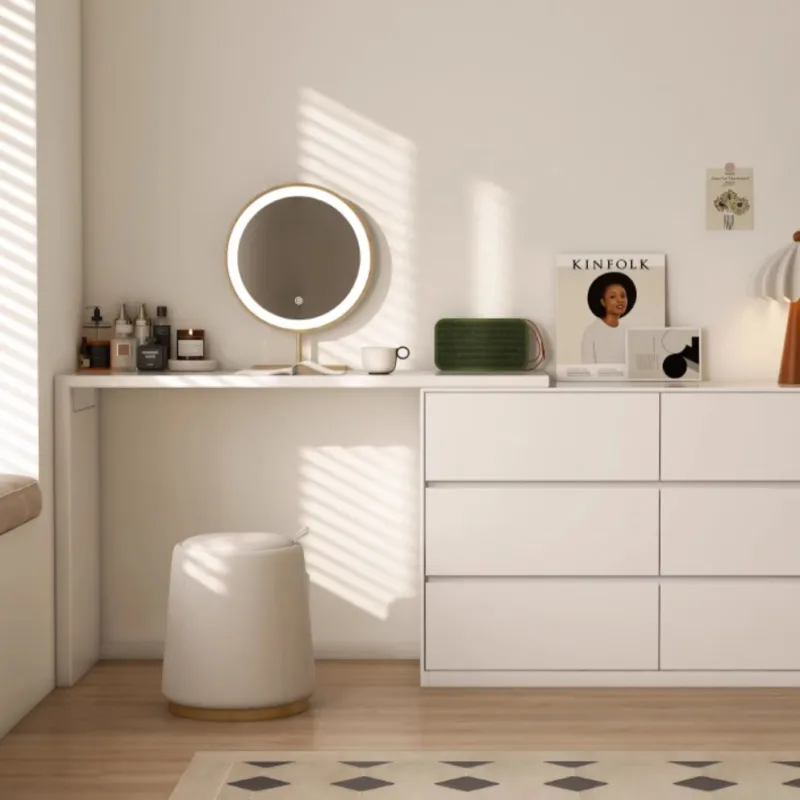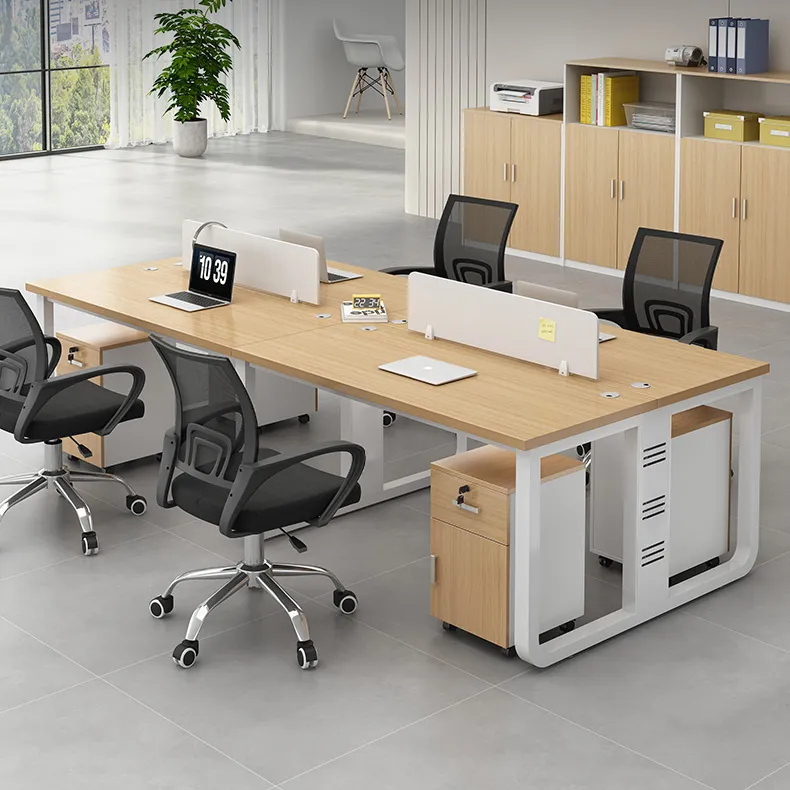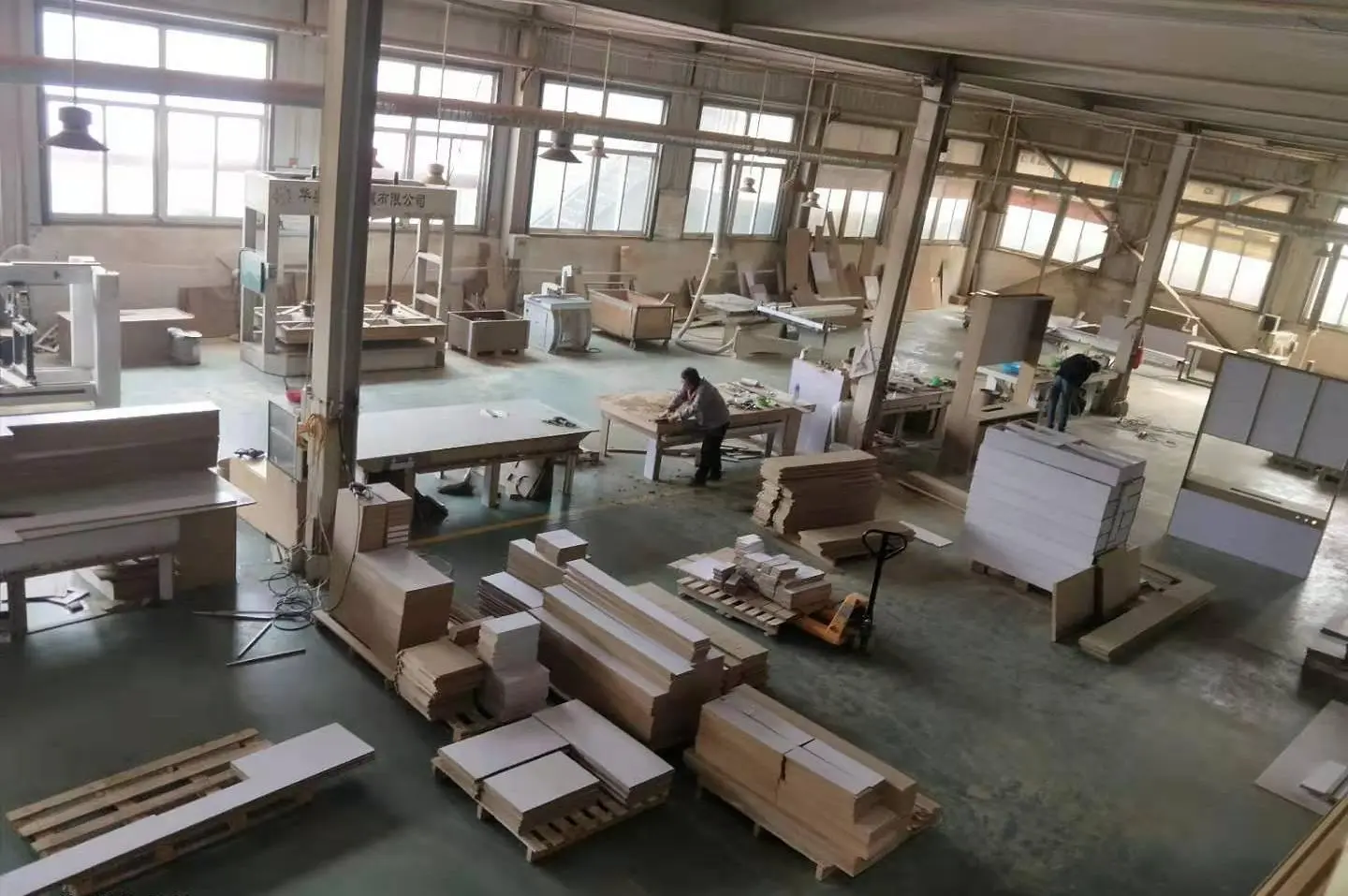
Original Equipment Manufacturer ( OEM) furniture manufacturing is a structured process in which the manufacturer produces furniture according to your design , technical specifications , and branding requirements . The goal is not to "adapt" an existing model, but to bring your own concept to life in a consistent, market-ready final product, with complete control over materials, finishes, packaging, and quality standards.
As a guideline: for OEM furniture projects, the typical lead time (from sample approval to production start) is usually between 35 and 60 days . For complex designs or those with special finishes, this can extend to 70–90 days depending on plant capacity, volume, and quality control.
In OEM, you define the product: design, dimensions, structure, hardware, materials, color scheme, and packaging. In ODM, the manufacturer starts with pre-developed designs and partially customizes them (for example, color, logo, or variations). In business terms, OEM typically offers more differentiation and greater control over specifications , while ODM tends to shorten development time .
| Criterion | OEM (your design) | ODM (Owner Design Manufacturer) |
|---|---|---|
| Personalization | High: structure, dimensions, materials, finishes, hardware, packaging | Media: color, some components, brand |
| Development time | Moderate: requires sample and validations | Shorter: pre-designed base |
| Risk of deviations | Controllable with specifications and strong QC | Smaller in design; it depends on the catalog |
| Key advantage | Brand differentiation and control | Speed to market launch |
Although every project has its own unique characteristics, a solid OEM typically follows a clear sequence. This reduces rework, avoids design ambiguities, and maintains consistent quality batch after batch.
It all starts by validating the input information: drawings , renderings, references, bill of materials (BOM), and usage requirements. This is where dimensions, connections, load capacity, edge radii, and ergonomic or safety details are defined.
Best practices: Define tolerances (e.g., ±1.0 mm on critical parts), assembly control points, and a master sample once approved. Many production errors stem from an incomplete drawing or a requirement left in isolated messages.
The choice of materials defines the balance between aesthetics, durability, and total cost. In OEM applications, the advantage is being able to tailor specifications to the market: scratch resistance, dimensional stability, moisture tolerance, and color consistency.
Common options
Hardware and components
Typical finishes
Before mass production, a functional sample is manufactured to validate structure, comfort (if applicable), finish quality, and assembly. This is the time to fine-tune details that would be costly to correct later: color tone, edge banding, drawer clearances, or overall stability.
Time reference: A woodworking/panel sample typically requires 7–15 days . If it includes complex lacquering, special veneers, or multiple color iterations, allow 15–25 days .
With the approved sample, the production flow is defined: cutting optimization , machining plan, assembly routes, and drying/curing of the finish. The priority is consistency: that the first unit and the 5,000th feel the same in hand, appearance, and use.
| Stage | What is controlled | Indicative ranges |
|---|---|---|
| Cutting and CNC | Measurements, squares, edges, perforations | Typical tolerances ±0.5–1.5 mm depending on the part |
| Assembly | Alignment, rigidity, leveling, clearances | Static load and stability tests by model |
| Finish | Uniformity, shine, streaks, specks, adhesion | Color control with standard samples; curing according to system |
| Pre-packaging | Final check and cleaning | Checklist by SKU and by batch |
A reliable OEM combines in-line quality control with final inspection. This includes dimensional verification, visual inspection of the finish, and stability/functional testing. For export projects, it is common to apply a batch sampling plan and pre-agreed acceptance criteria.
Controls that often make a difference:
Packaging is part of the product. Even a high-quality piece of furniture can arrive damaged if the packaging isn't designed to withstand vibration, compression, and handling. OEMs define the standard of protection: corner protectors, foam, dividers, moisture-proof bags, master carton, and labeling by SKU/batch.
Practical reference: In exporting, the goal is to minimize transport incidents. A reasonable target for established operations is to keep the in-transit damage rate below 0.5% , supported by internal drop/compression tests of the packaging and a loading checklist.
From proportions and internal structure to finishes, hardware, and packaging. Ideal if you sell in a niche (contract, hospitality, retail, e-commerce) where details matter.
You can define minimum inspection standards, tolerances, usage tests, and a master sample to ensure consistency between batches and seasons.
A well-constructed OEM catalog becomes a "signature" of your brand: design language, material palette, and visual consistency.
Once the technical specifications are established, you can scale by variants (sizes/colors) and by volume, maintaining the same quality standard.
In OEM, clarity saves time. If you want to avoid back and forth, prepare a comprehensive information package and a simple approval plan.
Typically 30 to 60 days for production after sample approval. For projects with special finishes, multiple SKUs, or additional validations, allow 70–90 days .
It varies depending on the type of furniture and its complexity. In practice, many manufacturers work with 50–200 units per model for standard series and 10–50 units for recurring contract projects, provided the design and supply chain allow it.
Yes. OEM is designed to allow complete customization of materials, finishes, dimensions, and hardware, provided that technical feasibility and supply stability are validated.
It is highly recommended. The sample reduces risk: it confirms the design, finish, and assembly before mass production. In new developments, it is often the step that saves the most costs in the long run.
It depends on the market and your specifications. Inspection criteria (dimensions, finish, stability), functional tests, and a batch acceptance protocol, documented from the master sample, are typically established.
Send us your plans, finish reference, and estimated volume. We'll help you validate materials, optimize the structure for production, and prepare a sample that truly represents your brand's standard.


 423
|
423
|
 wooden shoe cabinet production process
minimalist shoe cabinet selection skills
solid - wood shoe cabinet maintenance methods
home storage solutions
foreign trade shoe cabinet quality standards
419
|
wooden furniture vs panel furniture
export furniture selection
sustainable furniture materials
furniture durability comparison
home furniture buying guide
166
|
wood vs panel furniture
B2B furniture supplier tips
sustainable furniture materials
plywood vs solid wood
furniture material selection guide
47
|
["solid wood shoe cabinet customization"
"international buyer requirements"
"one-stop shoe cabinet solution"
"customized wooden shoe cabinets"
"solid wood shoe cabinet maintenance"]
353
|
wooden furniture maintenance
dehumidifier box usage guide
wooden furniture moisture protection
furniture cleaning methods
scratch repair techniques
wooden shoe cabinet production process
minimalist shoe cabinet selection skills
solid - wood shoe cabinet maintenance methods
home storage solutions
foreign trade shoe cabinet quality standards
419
|
wooden furniture vs panel furniture
export furniture selection
sustainable furniture materials
furniture durability comparison
home furniture buying guide
166
|
wood vs panel furniture
B2B furniture supplier tips
sustainable furniture materials
plywood vs solid wood
furniture material selection guide
47
|
["solid wood shoe cabinet customization"
"international buyer requirements"
"one-stop shoe cabinet solution"
"customized wooden shoe cabinets"
"solid wood shoe cabinet maintenance"]
353
|
wooden furniture maintenance
dehumidifier box usage guide
wooden furniture moisture protection
furniture cleaning methods
scratch repair techniques