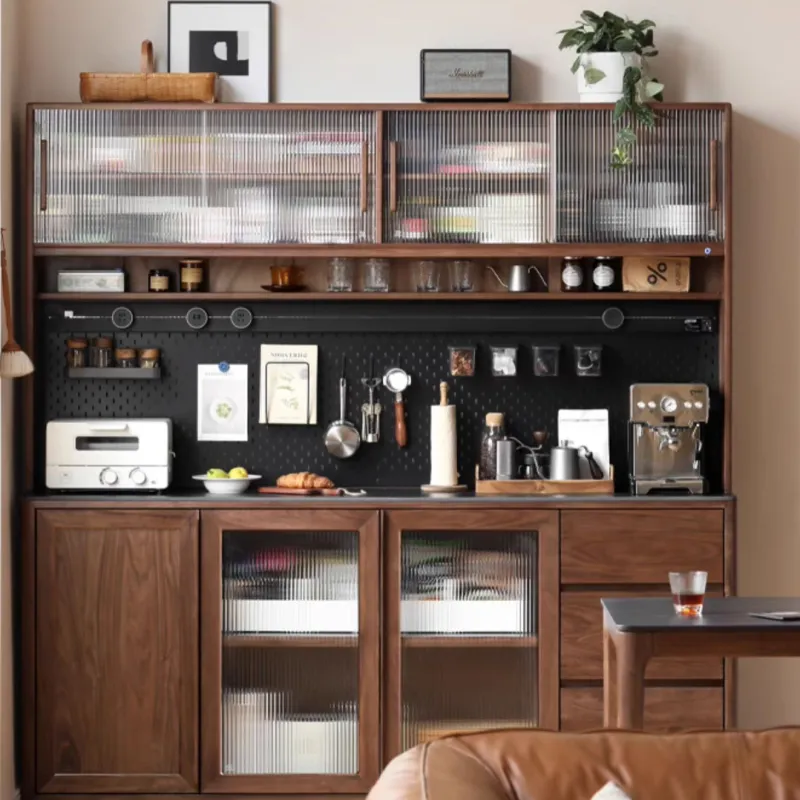
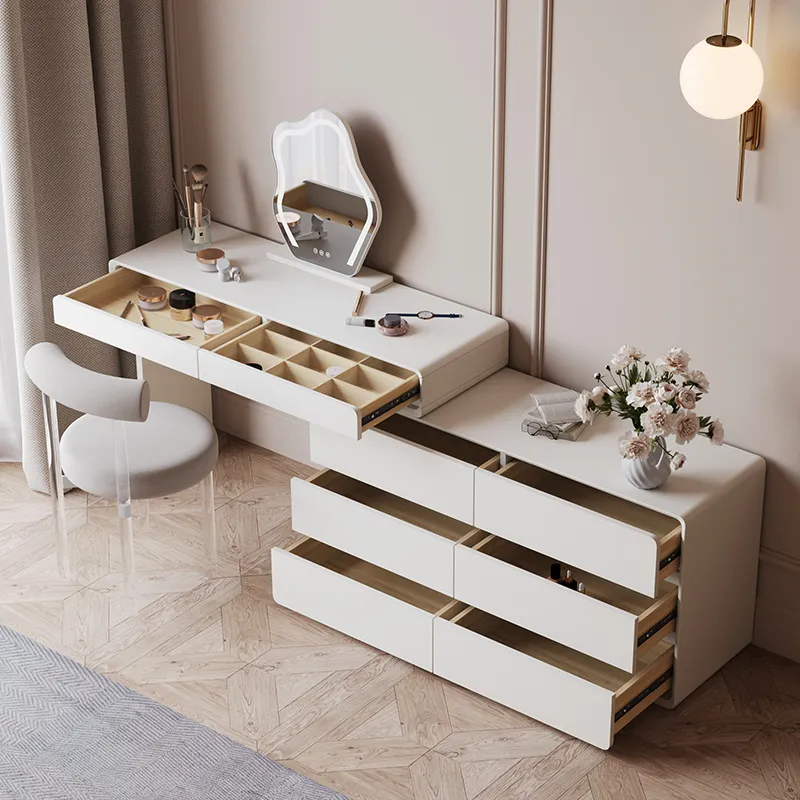
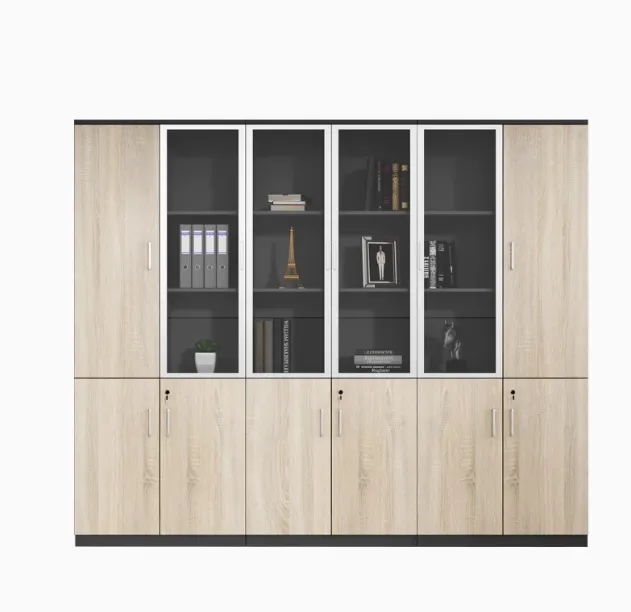
In the global furniture market, understanding the characteristics of different wood types is crucial for furniture exporters. This article delves into the properties and applications of common woods such as oak, pine, and walnut, aiming to help furniture brands tailor their export strategies according to these wood characteristics.
Let's start by looking at the basic attributes of oak, pine, and walnut. Oak is known for its strength and durability. It has a tight grain pattern, which gives it a classic and elegant look. Pine, on the other hand, is a softer wood. It is light - colored and has a more rustic appearance. Walnut is a high - end wood with a rich, dark color and a smooth, luxurious texture.
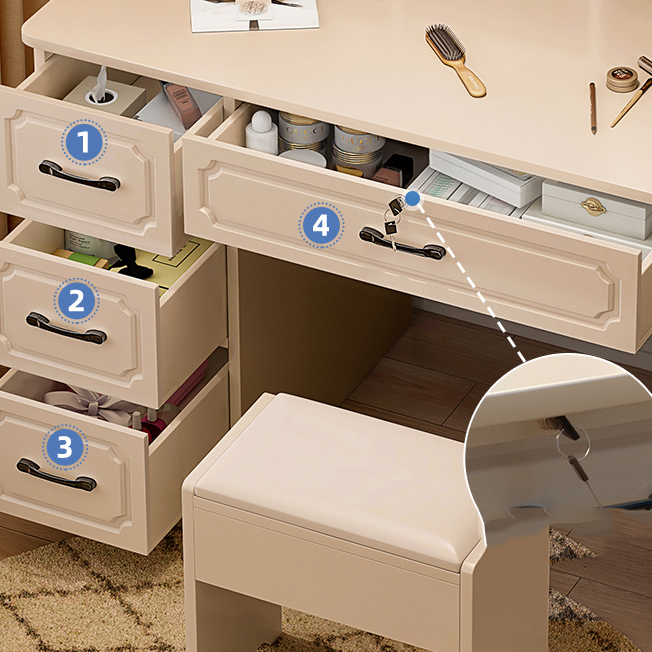
The following table compares the key characteristics of these woods:
| Wood Type | Durability | Aesthetics | Processing Difficulty | Cost |
|---|---|---|---|---|
| Oak | High | Classic and elegant | Moderate | Medium |
| Pine | Moderate | Rustic | Low | Low |
| Walnut | High | Luxurious | High | High |
Consumer preferences for different woods vary across international markets. In the United States, for example, oak furniture is highly popular due to its durability and classic look. A survey shows that about 40% of American consumers prefer oak furniture for their living rooms. In Europe, walnut furniture is often associated with luxury and is favored in high - end interior design projects. In some Asian markets, pine furniture is well - received for its affordability and rustic charm, accounting for approximately 30% of the market share in some mid - tier furniture segments.
"Understanding consumer preferences for different woods in different markets is the first step for furniture exporters to succeed. By aligning product offerings with these preferences, exporters can significantly improve their market competitiveness." - A furniture industry expert
Based on the characteristics of different woods and consumer preferences, furniture exporters can adopt differentiated market entry strategies. For the high - end market, promoting walnut furniture is a wise choice. Its luxurious appearance and high - end feel can attract customers who are willing to pay a premium for quality and style. For the cost - conscious market, pine furniture can be a great option. Its low cost and easy - to - process nature allow for competitive pricing.
Oak furniture can target a wide range of markets. It can be positioned as a mid - to - high - end product in some markets, while in others, it can be a popular choice for its durability and relatively reasonable price.
Content marketing plays a vital role in guiding international customers from awareness to purchase decision. By providing detailed information about wood characteristics, furniture exporters can build professional trust with their customers. For example, creating blog posts, videos, and infographics about wood selection can help customers make more informed decisions.
Exporters can also use content to showcase their expertise in furniture manufacturing and wood processing. This can enhance the brand image and increase customer confidence. By sharing success stories and case studies, exporters can further demonstrate the value of their products.
Are you ready to optimize your furniture export strategies based on wood characteristics? Share your thoughts and questions below, and let's explore the global furniture market together! Click here to learn more about customizing export solutions according to wood characteristics.


 403
|
403
|
 ["simple wooden shoe cabinet"
"wooden shoe storage"
"home shoe organizer"
"durable wooden cabinet"
"easy-to-maintain shoe cabinet"]
186
|
space optimization
rental home solutions
home organization
249
|
wooden furniture vs engineered furniture
furniture buying guide
home environment furniture selection
international furniture market trends
eco-friendly furniture materials
197
|
Solid wood furniture maintenance
Engineered wood furniture cleaning
Moisture - proof techniques for wooden furniture
Furniture scratch repair methods
Furniture daily care
255
|
cozy family
entryway design
furniture pairing
["simple wooden shoe cabinet"
"wooden shoe storage"
"home shoe organizer"
"durable wooden cabinet"
"easy-to-maintain shoe cabinet"]
186
|
space optimization
rental home solutions
home organization
249
|
wooden furniture vs engineered furniture
furniture buying guide
home environment furniture selection
international furniture market trends
eco-friendly furniture materials
197
|
Solid wood furniture maintenance
Engineered wood furniture cleaning
Moisture - proof techniques for wooden furniture
Furniture scratch repair methods
Furniture daily care
255
|
cozy family
entryway design
furniture pairing