.png?x-oss-process=image/resize,h_1000,m_lfit/format,webp)
When selecting furniture for homes or commercial spaces, two primary options emerge: solid wood furniture and panel furniture. Each offers distinct advantages shaped by material properties, manufacturing processes, maintenance demands, and environmental considerations. Understanding these differences is critical for consumers aiming to balance quality, style, budget, and longevity — factors that directly impact satisfaction and the overall ownership experience.
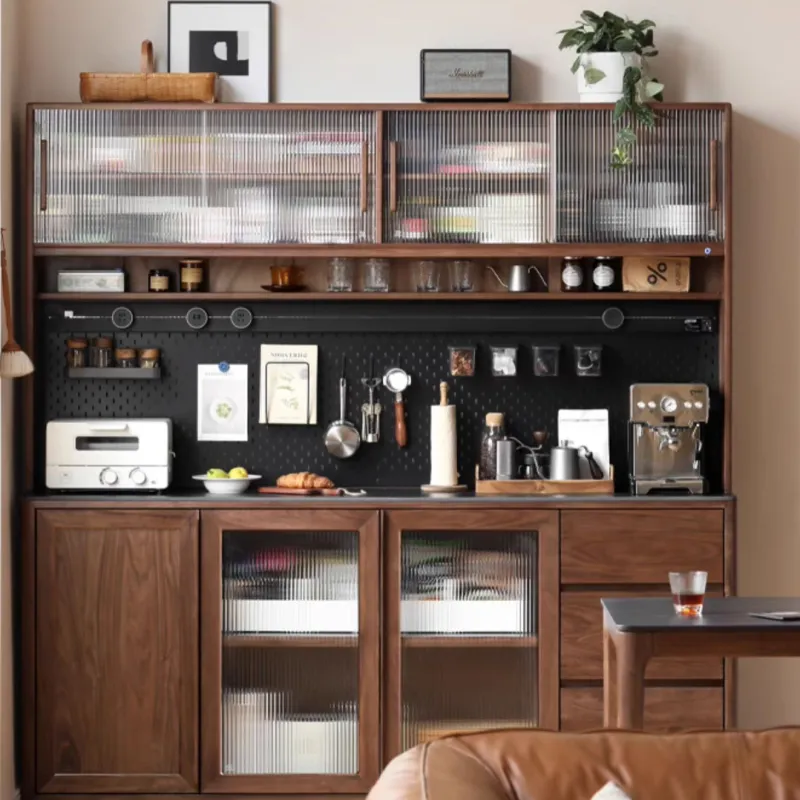
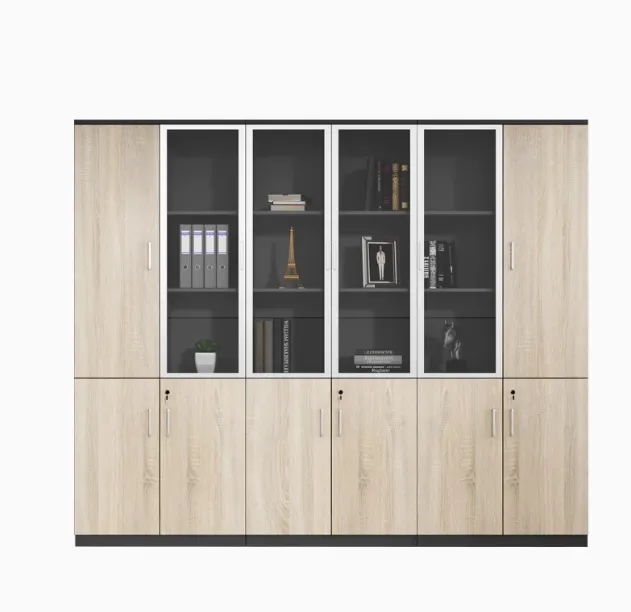
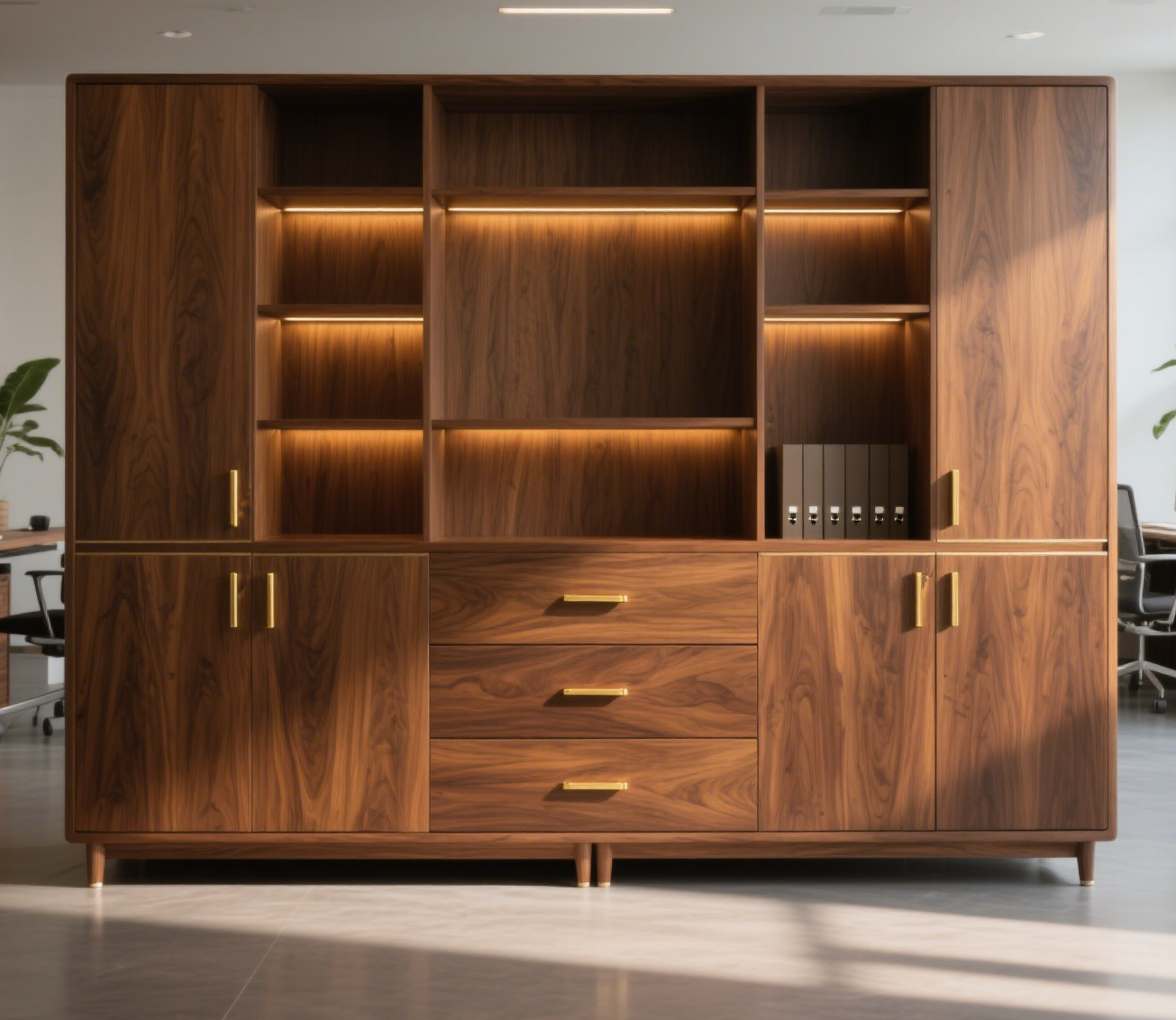
Solid wood furniture is crafted from natural timber, revered for durability and unique grain patterns. Panel furniture, by contrast, relies primarily on engineered wood products such as Medium Density Fiberboard (MDF), Particleboard, or plywood, laminated with veneers or melamine for aesthetic finish. This engineered approach makes panel furniture more adaptable to mass production and innovative designs.
| Feature | Solid Wood Furniture | Panel Furniture |
|---|---|---|
| Material Source | Natural timber from hardwood/softwood | Engineered wood composites with veneers |
| Environmental Impact | Renewable but requires sustainable sourcing | Uses wood residues; typically less resource-intensive |
| Durability | High structural strength and lifespan (20+ years) | Moderate; prone to damage if exposed to moisture |
| Design Flexibility | Classic, timeless styles with natural texture | Wide variety of finishes, colors, and textures |
| Cost Efficiency | Higher due to material costs and craftsmanship | Generally lower, suitable for budget-conscious buyers |
Panel furniture production hinges on precision engineering and standardized processes. Boards undergo meticulous cutting, laminating, and edge banding with advanced automated machinery, ensuring consistent dimensions and finishes. Quality control prioritizes moisture content, bonding strength of adhesives, and resistance to delamination. For example, factory inspections using moisture meters verify that the MDF or particleboard remains within optimal humidity ranges (6-12%) to prevent warping.
Additionally, finishing processes involve multiple coats of protective varnish or melamine lamination layers, enhancing scratch resistance and color permanence. International standards such as ISO 9001 for quality management and CARB Phase 2 compliance for formaldehyde emissions are critical certifications that manufacturers pursue to reassure overseas buyers about product safety and environmental responsibility.
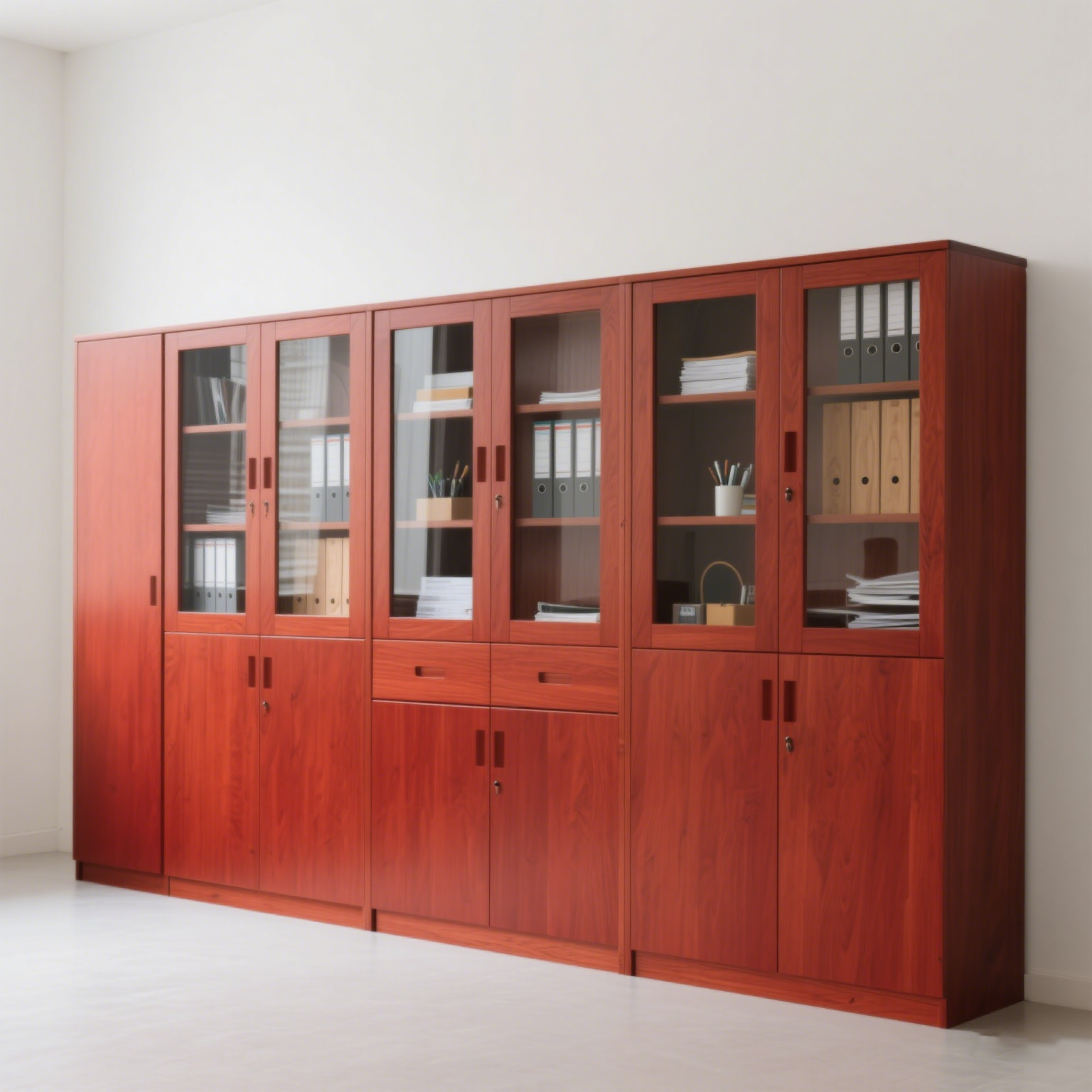
In comparison, solid wood furniture demands skilled craftsmanship, particularly for joinery and finishing, with inherent natural variations requiring extra attention during inspection. However, its robustness generally translates to longer durability, especially in households that prioritize heirloom-quality pieces.
.png)
The ease of maintenance varies significantly. Solid wood surfaces often require periodic polishing and protection from extreme humidity fluctuations to maintain luster and prevent cracking. By contrast, panel furniture is generally easier to clean with mild detergents and resists stains effectively due to laminated surfaces. However, care must be taken to avoid water exposure, which can cause swelling or de-lamination.
Panel furniture suits modern urban apartments, offices, and retail environments where style versatility and affordability are prioritized. Meanwhile, solid wood complements traditional, upscale settings and users valuing longevity and natural aesthetics.
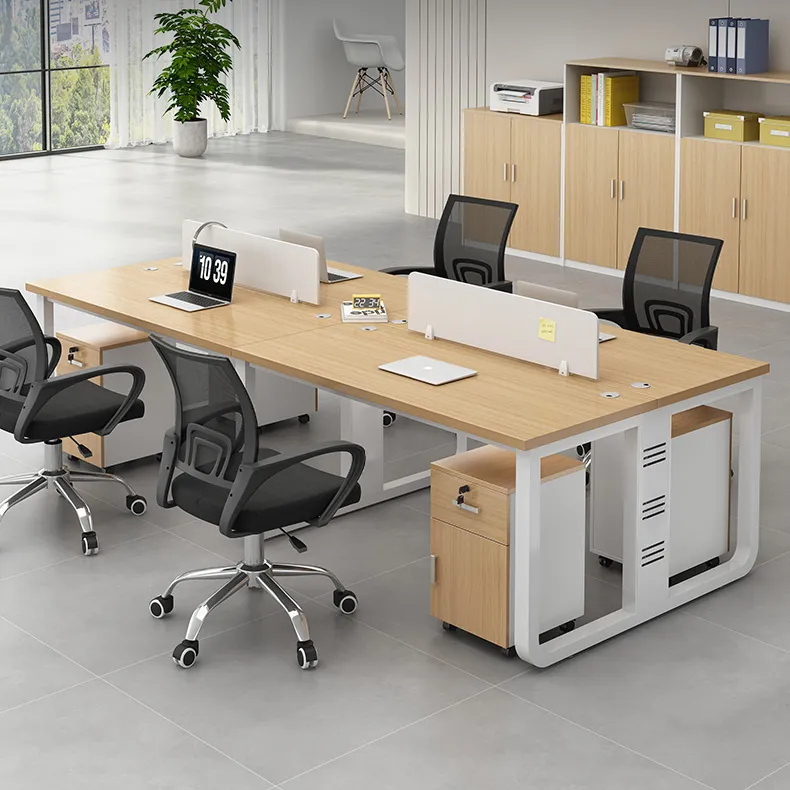
Case studies illuminate the practical implications of these material choices. A tech start-up outfitting their office opted for panel furniture, citing quick installation and clean aesthetics that align with their dynamic redecorating schedule. Feedback after 12 months indicated high satisfaction with durability and low upkeep costs.
Conversely, a boutique hotel invested in solid wood furnishings for their luxury suites. The hotel's management observed that guests frequently complimented the furniture's warmth and authenticity, enhancing perceived value — critical for their brand positioning.
We invite overseas buyers and interior professionals to share insights on your furniture choices. How have your material decisions affected customer satisfaction or resale value? Engaging with this community helps uncover deeper trends and improve sourcing strategies to better meet evolving demands.


 332
|
332
|
 wooden shoe cabinet selection
minimalist shoe cabinet design
wooden shoe storage solutions
how to maintain wooden shoe cabinet
best shoe cabinet for families
94
|
solid wood furniture vs panel furniture
eco-friendly furniture standards
furniture buying tips
wood vs MDF comparison
home furnishing materials
181
|
Dressing table selection
Space Function
High quality home furnishings
129
|
oak wood furniture advantages
pine furniture pros and cons
walnut wood characteristics
297
|
home decor
storage solutions
space optimization
wooden shoe cabinet selection
minimalist shoe cabinet design
wooden shoe storage solutions
how to maintain wooden shoe cabinet
best shoe cabinet for families
94
|
solid wood furniture vs panel furniture
eco-friendly furniture standards
furniture buying tips
wood vs MDF comparison
home furnishing materials
181
|
Dressing table selection
Space Function
High quality home furnishings
129
|
oak wood furniture advantages
pine furniture pros and cons
walnut wood characteristics
297
|
home decor
storage solutions
space optimization