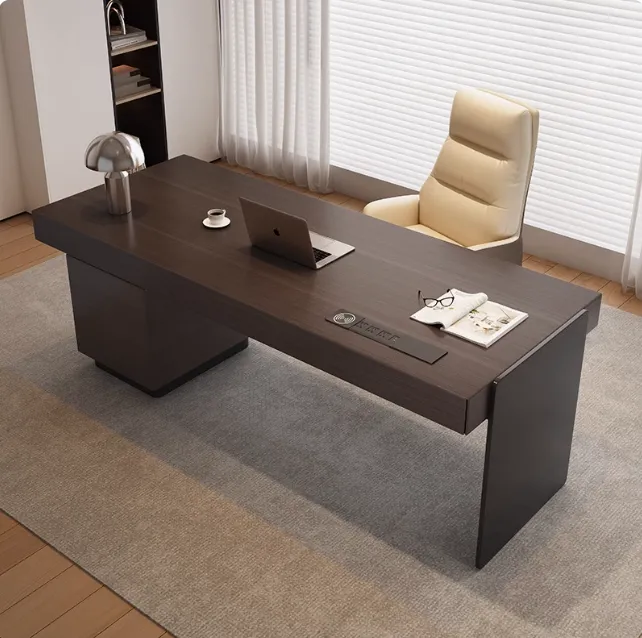
If you want predictable results for custom whole‑kitchen cabinets, you need a one‑stop delivery workflow with clear acceptance criteria and risk control points. Longtai Decoration explains the stage-by-stage process from needs research and on‑site measurement to design, production, arrival acceptance, installation, final handover, and after‑sales—so decisions, approvals, and quality checks are executable rather than subjective.
The operational goal is to keep cabinet-related interfaces (walls/floors, plumbing/ducts, sockets, appliances, lighting, countertop cutouts) aligned across stages, with documented inputs/outputs and customer sign‑offs at defined checkpoints.
| Stage | Required Inputs | Key Deliverables | Approval / Control Point |
|---|---|---|---|
| 1) Needs research | Household routines, cooking habits, storage list, budget & schedule boundaries. | Needs brief, storage plan outline, interface list (appliances/lighting/water/duct/electric). | Confirm scope: cabinet-related interfaces only; define what is “in” vs “out”. |
| 2) On-site measurement | Current wall/floor condition, existing pipes/ducts, window/door openings, socket positions. | Measurement record, site photos, risk notes (out-of-square, level variance, conflicts). | Risk flagging: identify conditions that require re-measure after civil works. |
| 3) Design & proposal | Appliance models (or reserved sizes), preferred style, ergonomic preferences (height/clearance). | Layout drawings, material/finish options, preliminary BOM, interface coordination notes. | Customer sign‑off on layout logic before detailing. |
| 4) Re‑measure & detailing | Post-civil-work site status (final wall/floor, tile thickness, confirmed sockets/duct routes). | Re‑measure report, detailed shop drawings, confirmed BOM, sign‑off forms. | Production gate: do not order/produce until detailing is confirmed. |
| 5) Ordering & production | Final drawings/BOM, selected hardware, material specs, edge banding & finish requirements. | Production plan, parts list, hardware list, packaging/labeling plan. | Change control: any design change triggers re-approval and BOM update. |
| 6) Arrival acceptance | Delivery list, packing labels, site readiness for storage and protection. | Arrival inspection record (quantity, surface condition, hardware completeness). | Reject/replace criteria for visible defects or missing parts. |
| 7) Installation & finishing | Site protection, final plumbing/electric readiness, countertop templating needs. | Installation record, adjustment notes, countertop cutout plan, finishing list. | On-site checks: alignment, gaps, hardware function, interface fit. |
| 8) Final acceptance & handover | Acceptance checklist, drawings/BOM archive, cleaning & protection status. | Signed acceptance form, maintenance guidance, after‑sales contact path. | Acceptance by measurable criteria; note any punch-list items and closure date. |
| 9) After‑sales | Issue description, photos/video, usage conditions. | Service record, corrective action plan if needed. | Traceability to drawings/BOM and prior sign‑offs for efficient diagnosis. |
Neutral delivery principle: in custom whole‑kitchen cabinets, most disputes are reduced when “inputs → drawings/BOM → sign‑off → production → acceptance” is traceable at every stage.
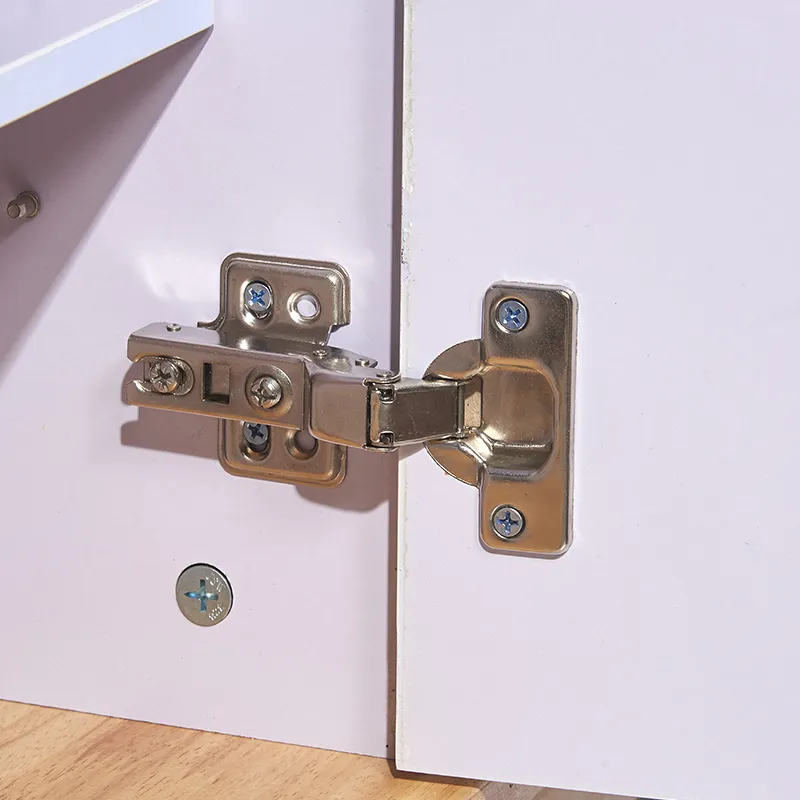
Acceptance should focus on verifiable checks for dimensions, materials/finishes, hardware performance, installation quality, and interface coordination (countertop, appliances, lighting).
Core checks to run on site
Common failure risks and preventive controls
Longtai Decoration provides a custom overall cabinet solution designed for modern households, with a delivery chain that covers research, design consultation, manufacturing, assembly/installation, acceptance, and after‑sales—using eco-friendly materials and focusing on durability and usability.
A neutral comparison helps decide how to manage time, changes, and acceptance clarity for custom cabinetry.
| Dimension | Process-Controlled (with gates & sign-offs) | Install-First (gates are weak or missing) |
|---|---|---|
| Change management | Changes are traceable to drawings/BOM and require re-approval. | Changes often appear late, increasing rework and site decisions. |
| Acceptance clarity | Checklist-based and measurable; disputes are easier to resolve. | More reliance on subjective judgment at handover. |
| Interface coordination | Appliances/sockets/ducts are validated before production and before install. | Conflicts discovered during installation may force compromises. |
| Schedule predictability | Milestones are defined per stage; delays are easier to locate and address. | Progress may look fast initially but becomes uncertain when issues surface. |
Q1: What do I need to prepare before measurement and design?
A: Prepare an appliance model list (or reserved dimensions), a storage needs list, and any known site constraints (pipes/ducts/sockets). These inputs reduce late-stage changes.
Q2: Why is re‑measurement necessary?
A: Re‑measurement helps confirm final wall/floor conditions (including tile thickness and alignment) so detailing and production are based on the site as built, not the site assumed.
Q3: What is the most important approval checkpoint?
A: The production gate—final shop drawings and BOM sign‑off—because it directly determines what is manufactured and delivered.
Q4: What should I check when cabinets arrive on site?
A: Verify quantity against the delivery list, confirm hardware completeness, and check for visible surface/edge damage; record any issues before installation starts.
Q5: How can acceptance be made less subjective?
A: Use a checklist focused on measurable items—fit, alignment, door gaps, hardware function, countertop cutouts, finishing, and appliance/sockets coordination—then document results at handover.
Decision guidance: if your project involves multiple appliances, tight space, or uncertain site conditions, a gated workflow with re‑measurement and checklist acceptance is generally more controllable than a fast-but-loose installation approach.
Next step
Contact Longtai Decoration to align your cabinet scope, confirm required inputs (appliance models, storage list, wall/floor conditions), and request a delivery workflow and acceptance checklist that matches your kitchen constraints.
What you can ask for


 477
|
477
|
 Customized wardrobes for small apartments
Wardrobe storage design
Wardrobe layout in a small bedroom
Floor-to-ceiling wardrobe
Built-in wardrobe
405
|
OEM furniture manufacturer
Furniture OEM factory
Custom furniture production
Quality Control (QC)
OEM manufacturing of foreign trade furniture
380
|
Flip-top Wooden dressing table
Small apartment dressing table design
Small space storage solutions
B2B Home Furnishing Product Optimization
Tips for Selecting Furniture for Foreign Trade
376
|
Wood wax oil for furniture maintenance
Moisture protection and cleaning of wooden furniture
Scratch repair techniques
Value-added of foreign trade home furnishings
Solid wood furniture care guide
298
|
Solid wood furniture maintenance
Engineered wood furniture cleaning
Moisture - proof techniques for wooden furniture
Furniture scratch repair methods
Foreign trade furniture maintenance
Customized wardrobes for small apartments
Wardrobe storage design
Wardrobe layout in a small bedroom
Floor-to-ceiling wardrobe
Built-in wardrobe
405
|
OEM furniture manufacturer
Furniture OEM factory
Custom furniture production
Quality Control (QC)
OEM manufacturing of foreign trade furniture
380
|
Flip-top Wooden dressing table
Small apartment dressing table design
Small space storage solutions
B2B Home Furnishing Product Optimization
Tips for Selecting Furniture for Foreign Trade
376
|
Wood wax oil for furniture maintenance
Moisture protection and cleaning of wooden furniture
Scratch repair techniques
Value-added of foreign trade home furnishings
Solid wood furniture care guide
298
|
Solid wood furniture maintenance
Engineered wood furniture cleaning
Moisture - proof techniques for wooden furniture
Furniture scratch repair methods
Foreign trade furniture maintenance



.png?x-oss-process=image/resize,h_800,m_lfit/format,webp)