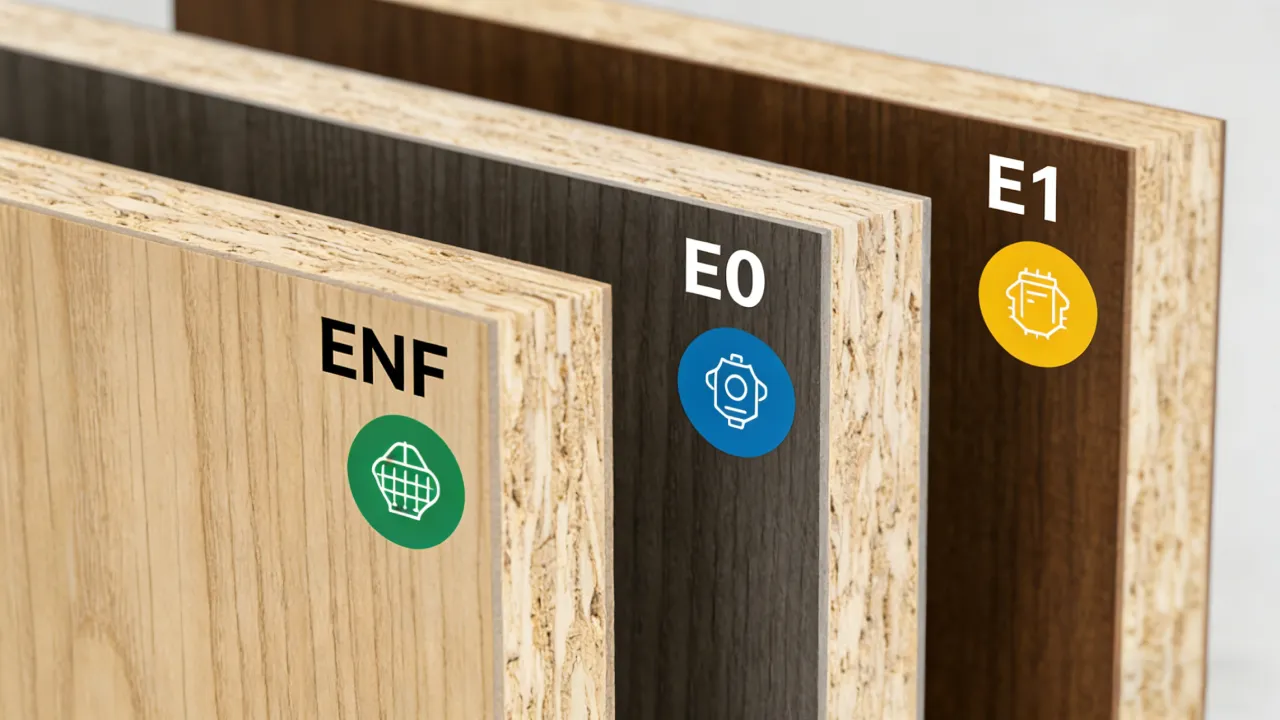
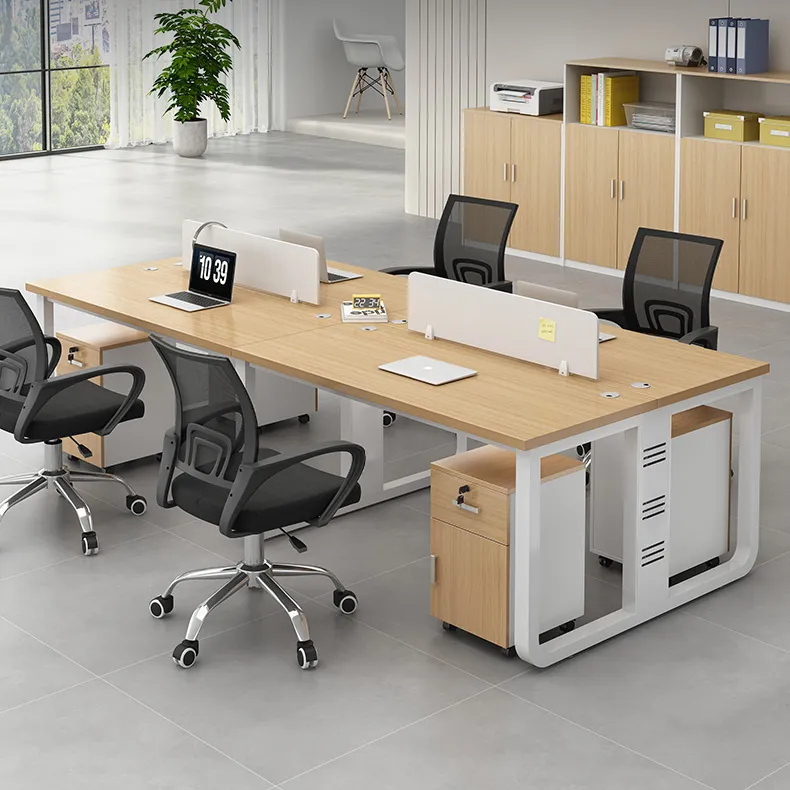
In customized kitchen cabinet projects, "aesthetics" are only one aspect; more importantly, the process must be aligned, milestones must be inspectable, and responsibilities must be traceable . Longtai Decoration uses an "acceptable delivery system" as its framework, clearly breaking down the key stages of customized kitchen cabinetry, from needs communication to installation, acceptance, and after-sales maintenance. This helps homeowners and project owners establish clear expectations early on, reducing the risks of rework and communication breakdowns.
The "customized kitchen cabinets" mentioned on this page emphasizes a delivery that is consistent in size, style, function, and installation details around the kitchen scene: the cabinet body, countertop, door panels, hardware, and key interfaces are aligned within the same solution, and controllable implementation is achieved through node outputs and acceptance criteria.
Important Note: "All-inclusive" does not mean all kitchen hard decoration included. If walls, floors, plumbing, electrical wiring, gas utilities, ceilings, etc., are not included in the agreed scope, the terms and conditions will be as stated on the responsibility agreement.
The table below illustrates the common key outputs and responsibility interfaces by stage (example framework, subject to the final plan, contract/quotation list and site conditions confirmed by both parties).
| Link | Deliverables (Example) | Responsibility Interface / Required Cooperation Items (Example) |
|---|---|---|
| Requirements communication | Record key requirements (kitchen layout, storage preferences, appliance list and dimensions, budget range, style preference), and provide a preliminary scope description (including/excluding items). | The owner/project developer provides: property information, current photos/drawings (if any), appliance models or reserved requirements; both parties confirm the communication guidelines and scope. |
| On-site measurement and re-measuring | Record on-site measurement data, mark key points (influencing factors such as walls/beams/columns/doors/windows/pipes), and provide verification instructions for re-measuring (secondary re-measuring if necessary). | The site must be measurable; if wall alterations or adjustments to water, electricity, or gas are involved, it should be clearly stated in advance who will carry out the work and when it will be completed. |
| Scheme Design | Floor plan and functional zoning suggestions, cabinet configuration and storage solutions, and explanation of key dimensions; provide renderings for communication if necessary. | Owner/Project Developer Confirmation: Traffic flow, functional trade-offs, and priority of key dimensions; Decisions made regarding appliance integration, door opening direction, and passageway width. |
| Material selection confirmation | Material and finish confirmation list (cabinet panels/door panel finishes/countertops/hardware/handles, etc.), color and texture direction confirmation, configuration details and change records. | Clearly define environmental protection and durability requirements; reach an agreement on details such as "glossy/non-glossy surface", edge banding, and hardware grade to reduce future disputes. |
| Manufacturing | Factory production schedule instructions, order information verification, component processing and pre-assembly inspection (depending on the project). | Changes must go through a confirmation process; if site conditions change (wall leveling, floor elevation completion, etc.), they should be updated in a timely manner to avoid dimensional deviations. |
| Transportation and on-site handover | Arrival inventory and initial appearance inspection records, verification of component numbers/packaging labels, and confirmation of entry protection and handling routes. | Owner/Property Management Cooperation: Entry time, elevator/passage for moving items, on-site storage area; if finished product protection is required, the responsibility shall be agreed upon by both parties. |
| On-site installation | Key points during installation must be confirmed (cabinet fixing, countertop installation, finishing), and interfaces with walls, floors, ceilings, and electrical outlets must be verified. | The site should meet the installation requirements (completeness of walls and floors, proper placement of installation points, etc.); if third parties (home appliances/water and electricity/gas) are involved, their presence must be coordinated. |
| Debugging and self-test | Instructions on door opening and closing and gap adjustment, drawer slide/hinge adjustment, hardware fastening inspection, cleaning and usage precautions. | The homeowner confirms the feel, noise, and interference when opening and closing the doors on-site; records the items requiring rectification and schedules a re-inspection. |
| Acceptance and after-sales maintenance | Acceptance checklist (appearance, key dimensions, functions, finishing, completeness of accessories), rectification closed-loop record (if any), after-sales maintenance and upkeep recommendations. | The acceptance criteria confirmed by both parties shall be followed; the scope of warranty/maintenance and response methods shall be subject to the agreed terms. |
Customized kitchen cabinets naturally involve multiple interfaces and decision points. Longtai Decoration uses the outputs of each stage (measurement data, design drawings, material selection lists, installation and acceptance records, etc.) as the basis for project alignment, forming a closed loop of "demand-design-production-installation-acceptance", which is more conducive to communication, review and delivery management.
Based on the above information, we will proceed with measurement verification, scheme and material selection confirmation, and align the expected progress of each stage with acceptable outputs.
If you are evaluating a custom-made kitchen cabinet system and want to clarify the scope of services, delivery process, and acceptance deliverables early on, Longtai Decoration can align you with the integrated process described on this page item by item to ensure that every step is documented, verifiable, and acceptable.
 358
|
358
|
 children's room desk
Environmental certification
ENF grade sheet
Heat-resistant materials
Avoiding pitfalls when buying a desk
458
|
ENF grade sheet
E0 grade boards
E1 grade boards
Formaldehyde emission standards
Board testing report
32
|
export advantages of walnut furniture
wooden furniture selection guide
walnut vs oak
high - end solid wood furniture recommendation
comparison of furniture wood advantages and disadvantages
459
|
Kitchen cabinet material selection
Formaldehyde-free environmentally friendly kitchen cabinets
High-temperature resistant cabinet material
Stainless steel cabinets
Quartz countertop
212
|
Moisture-proofing of wooden furniture
Cleaning methods for wooden furniture
Scratch repair techniques
Furniture maintenance guide
Furniture moisture-proofing tools
children's room desk
Environmental certification
ENF grade sheet
Heat-resistant materials
Avoiding pitfalls when buying a desk
458
|
ENF grade sheet
E0 grade boards
E1 grade boards
Formaldehyde emission standards
Board testing report
32
|
export advantages of walnut furniture
wooden furniture selection guide
walnut vs oak
high - end solid wood furniture recommendation
comparison of furniture wood advantages and disadvantages
459
|
Kitchen cabinet material selection
Formaldehyde-free environmentally friendly kitchen cabinets
High-temperature resistant cabinet material
Stainless steel cabinets
Quartz countertop
212
|
Moisture-proofing of wooden furniture
Cleaning methods for wooden furniture
Scratch repair techniques
Furniture maintenance guide
Furniture moisture-proofing tools