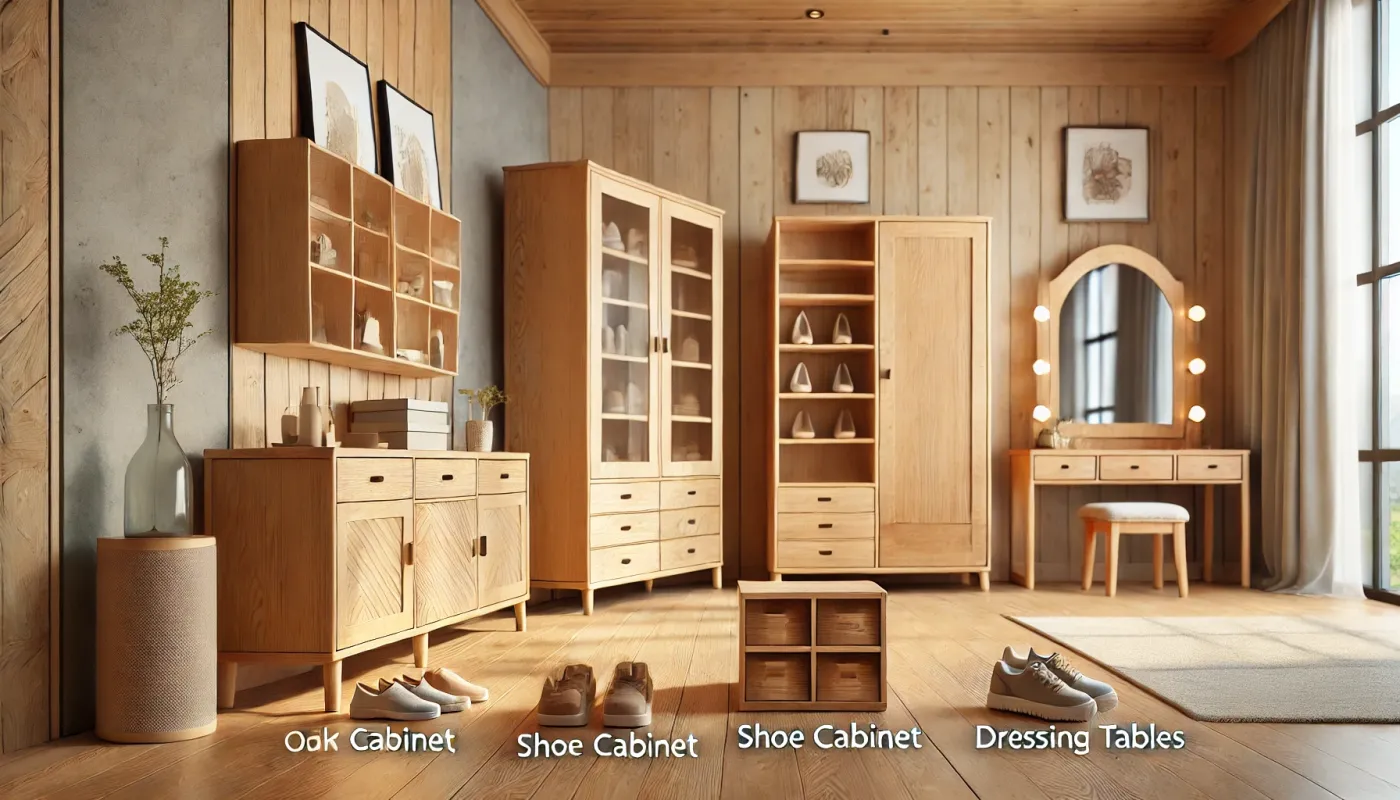
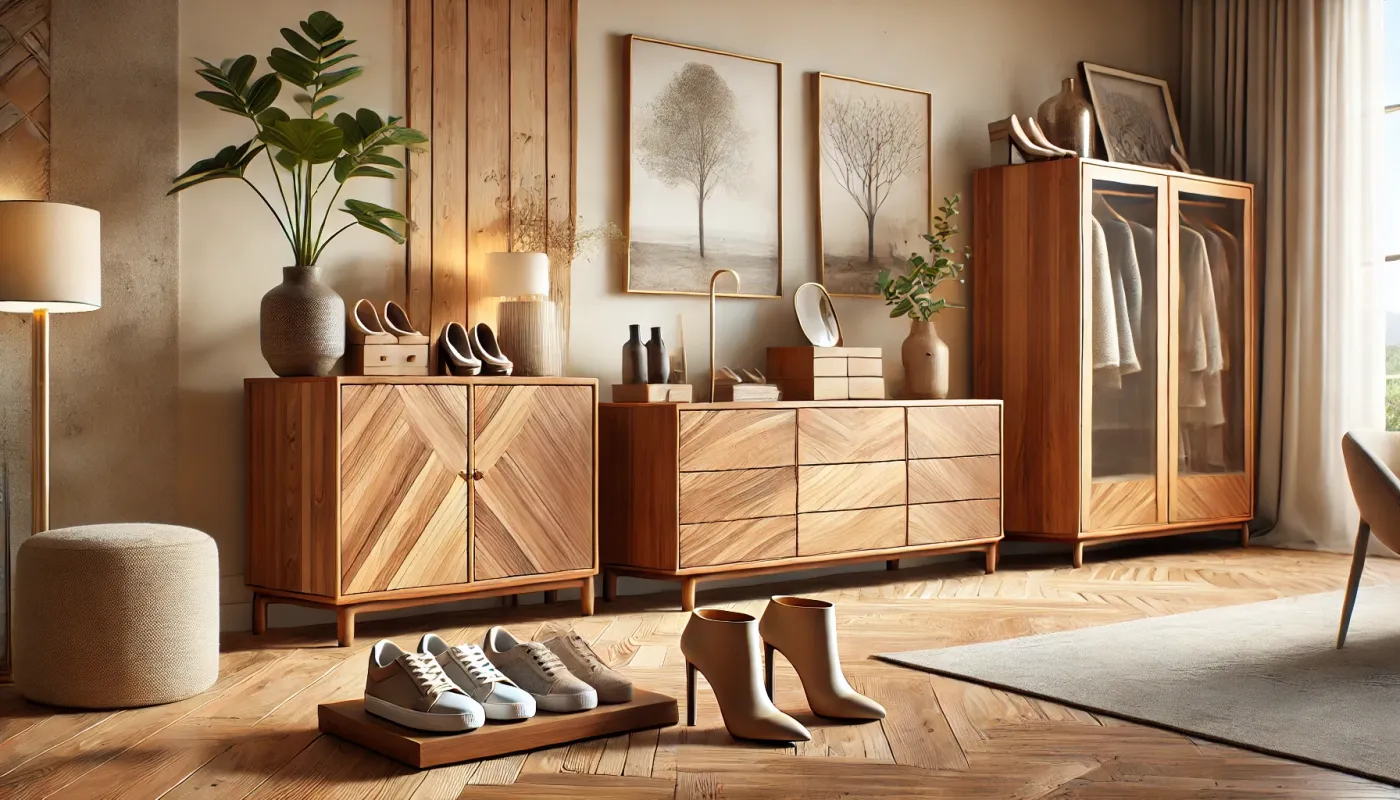
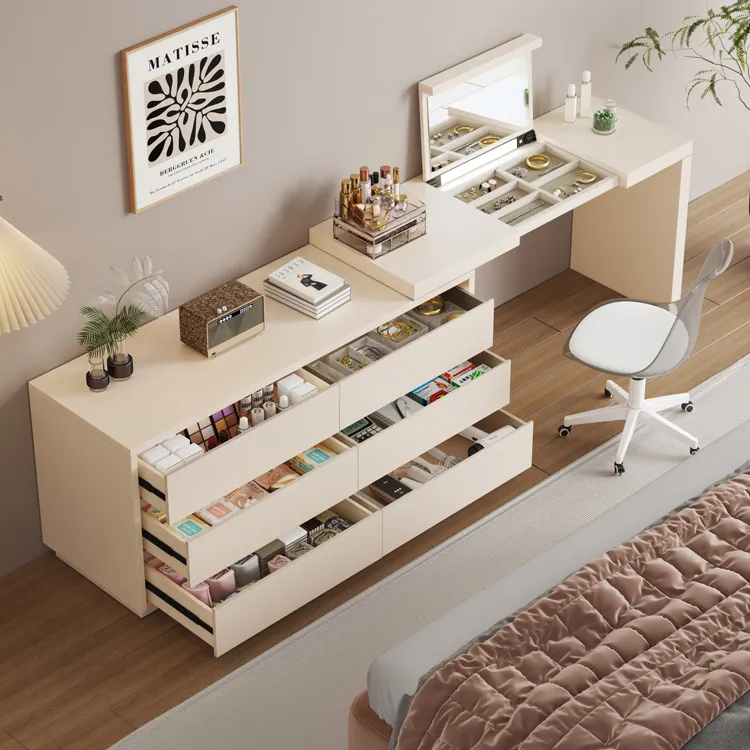
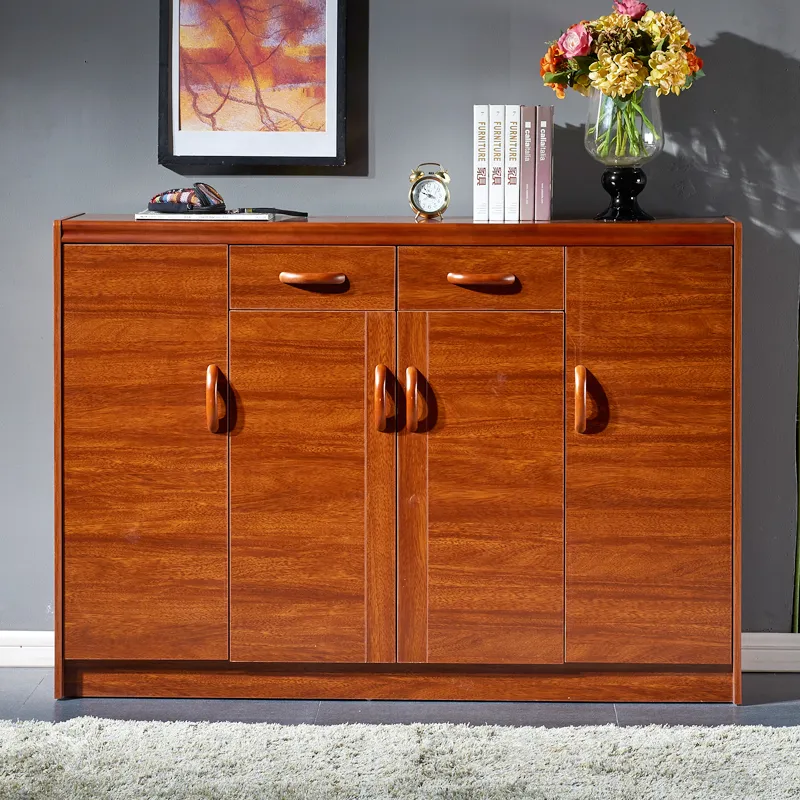
When it comes to hotel furniture procurement, selecting the appropriate wood type is crucial. The right choice not only enhances the aesthetic appeal of the space but also ensures durability, cost-effectiveness, and long-term value. This guide explores the characteristics of commonly used woods such as oak, pine, and walnut, helping global buyers make informed decisions.
Hotel interiors require a balance between style and functionality. Different woods offer unique properties that suit specific areas within a hotel. For instance, high-traffic zones may benefit from more durable materials, while guest rooms often prioritize comfort and elegance. Understanding the pros and cons of each wood type can significantly impact the overall success of a hotel renovation or new build.
The following section provides an overview of three popular wood types used in hotel furniture:
| Wood Type | Origin | Appearance | Advantages | Disadvantages |
|---|---|---|---|---|
| Oak | Europe, North America | Light to medium brown with distinct grain patterns | Durable, resistant to moisture, easy to maintain | Higher cost compared to other woods |
| Pine | North America, Europe | Light yellow to pale brown with soft texture | Affordable, lightweight, easy to work with | Less durable, prone to dents and scratches |
| Walnut | North America, Europe, Asia | Dark brown with rich, varied grain patterns | Luxurious look, good stability, excellent finish | More expensive, requires regular maintenance |
Many hotels have successfully integrated different wood types into their interior designs. For example, luxury resorts often use walnut for dining tables and sideboards due to its elegant appearance and durability. In contrast, budget-friendly hotels may opt for pine for guest room furniture, where aesthetics are secondary to cost-efficiency.
One notable case study involves a mid-sized hotel in Southeast Asia that replaced all its wooden furniture with oak-based options. The result was a significant improvement in both visual appeal and longevity, leading to higher guest satisfaction and reduced replacement costs over time.
While each wood type has its own set of benefits, the decision ultimately depends on the specific needs of the hotel. Oak offers a strong balance of durability and aesthetics, making it ideal for public spaces. Pine is a cost-effective option for less visible areas, while walnut provides a premium feel suitable for high-end settings.
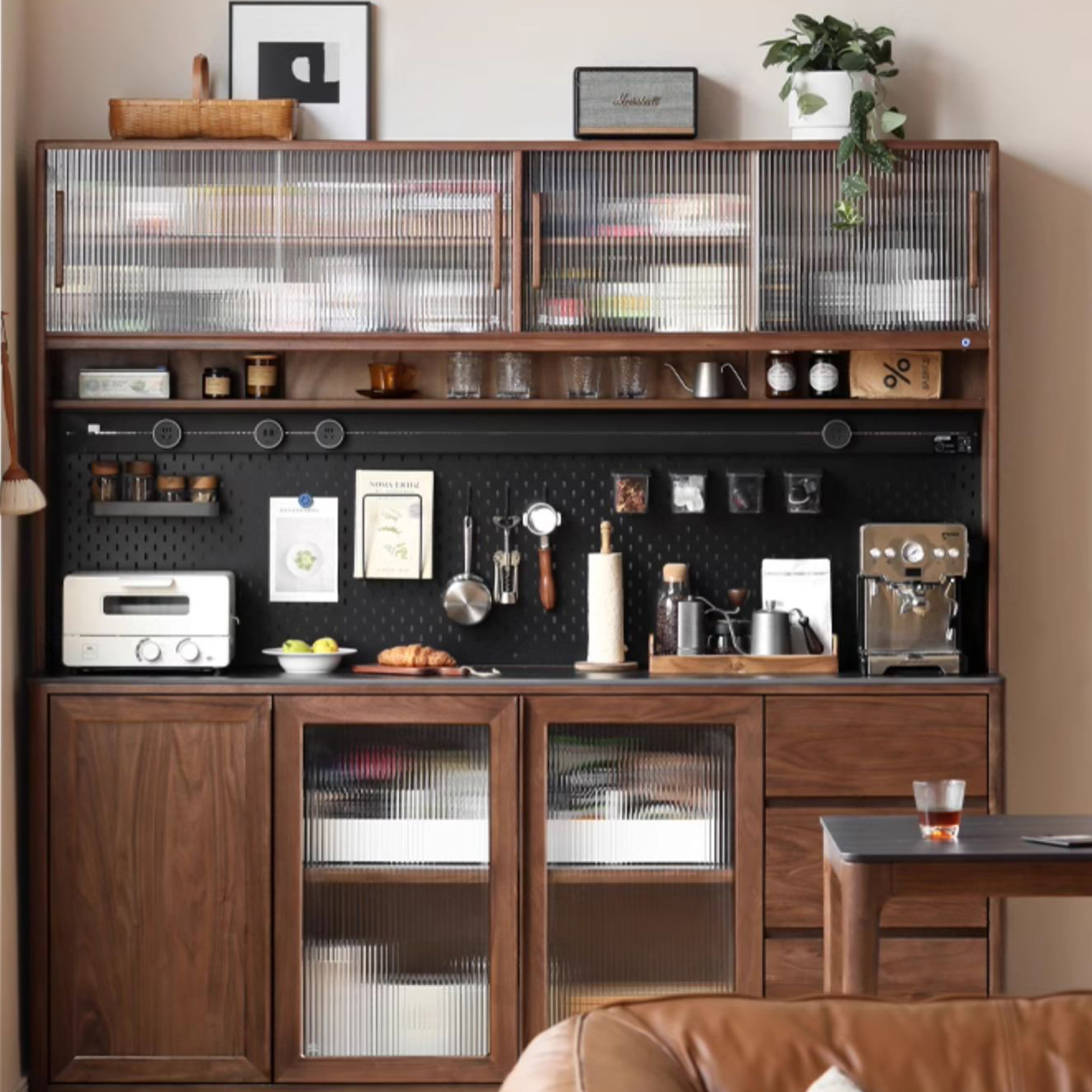
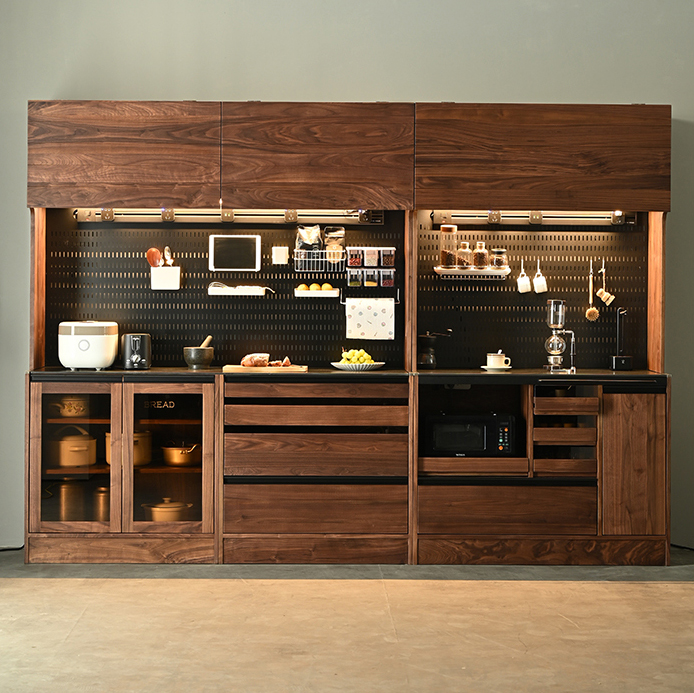

Based on the analysis, we recommend the following for hotel furniture procurement:
By carefully evaluating the characteristics of each wood type, hotel owners and procurement managers can make choices that align with their brand image, budget, and long-term goals. Selecting the right wood is not just about aesthetics—it's about creating a lasting impression that enhances the guest experience.


 143
|
143
|
 wood furniture
oak
pine
walnut
advantages
disadvantages
purchasing guide
325
|
B2B furniture export
wooden furniture procurement guide
panel furniture characteristics
89
|
solid wood furniture advantages
panel furniture maintenance
B2B furniture sourcing
430
|
common wooden furniture
oak furniture pros and cons
pine furniture pros and cons
walnut furniture pros and cons
wooden furniture selection
217
|
Wooden furniture moisture protection techniques
Export furniture maintenance
Solid wood furniture dehumidification methods
Furniture scratch repair
Furniture care in humid environments
wood furniture
oak
pine
walnut
advantages
disadvantages
purchasing guide
325
|
B2B furniture export
wooden furniture procurement guide
panel furniture characteristics
89
|
solid wood furniture advantages
panel furniture maintenance
B2B furniture sourcing
430
|
common wooden furniture
oak furniture pros and cons
pine furniture pros and cons
walnut furniture pros and cons
wooden furniture selection
217
|
Wooden furniture moisture protection techniques
Export furniture maintenance
Solid wood furniture dehumidification methods
Furniture scratch repair
Furniture care in humid environments