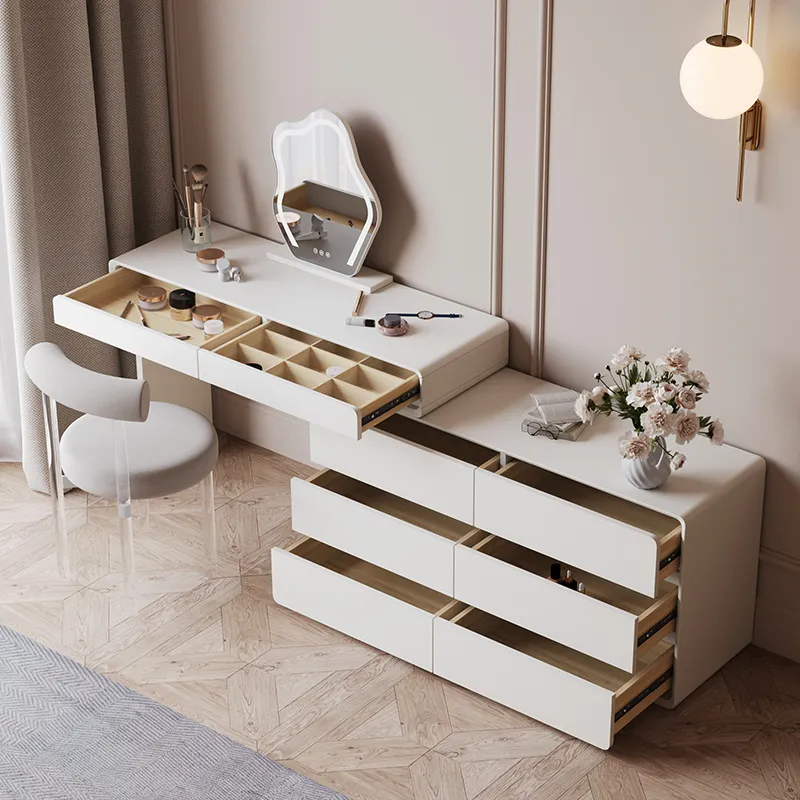
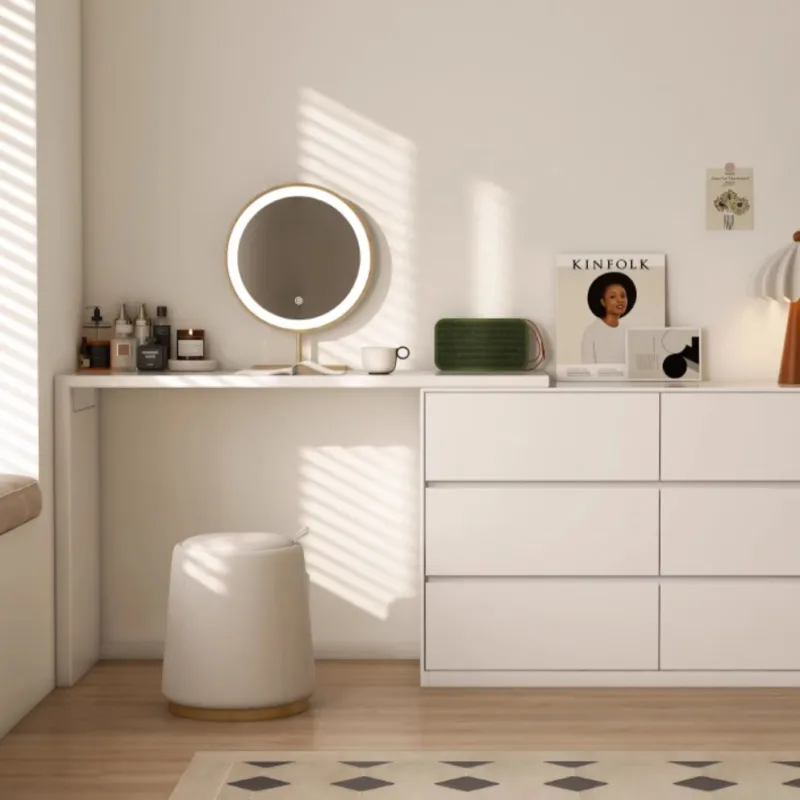
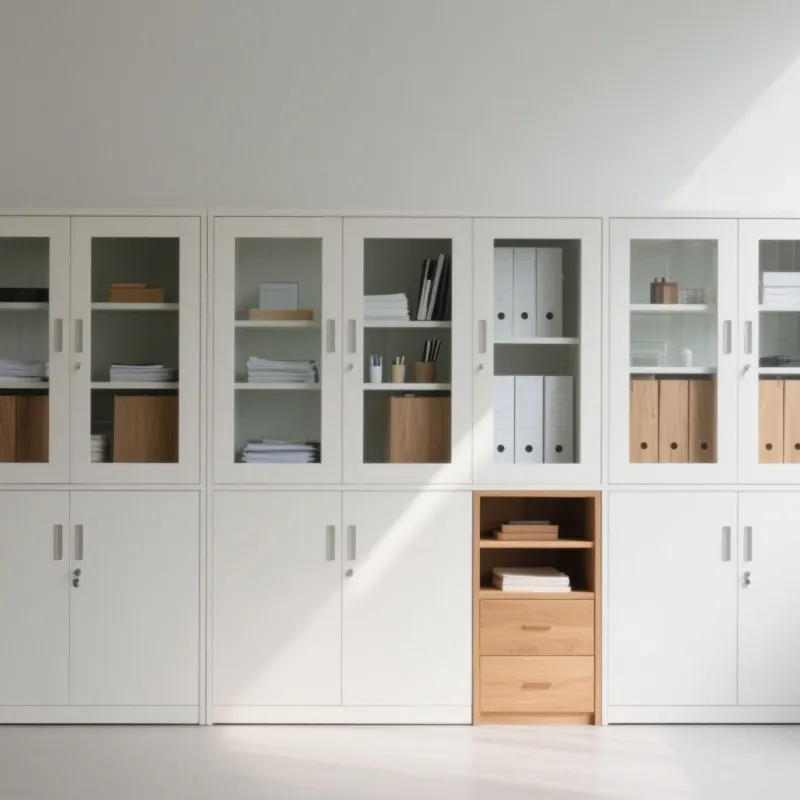
Embarking on the journey to furnish your home with solid wood pieces begins with understanding the unique properties of each wood type. Whether you’re a seasoned importer or a first-time buyer, choosing between oak, pine, and walnut furniture requires clarity about their distinct qualities, durability, and aesthetic appeal.
Your selection will impact not just the look—but the long-term resilience and maintenance effort of your furniture. Oak is known for its robustness, pine carries the charm of rustic softness, while walnut impresses with rich elegance. This guide breaks down their key attributes, helping you make a practical and stylish decision.
| Property | Oak | Pine | Walnut |
|---|---|---|---|
| Hardness (Janka Scale) | 1360 lbf – Strong and durable | 420 lbf – Softer, prone to dents | 1010 lbf – Moderate hardness |
| Grain & Texture | Distinct grain, coarse texture | Visible knots, smooth and light | Fine grain, deep chocolate tones |
| Durability & Stability | Highly stable, resists warping | Less stable, may deform over time | Good stability, resists shrinkage |
| Maintenance | Requires occasional oiling/polishing | Needs frequent care to prevent damage | Low to moderate maintenance |
| Price Range | Mid to high | Low to mid | High-end luxury |
Oak Furniture is the quintessential choice for those who prioritize longevity with style. Its outstanding hardness at 1360 on the Janka scale makes oak less susceptible to scratches and daily wear. The natural coarse grain adds character, suitable for both traditional and contemporary interiors. Its resistance to warping supports use in humid environments, perfect for global exports requiring reliable quality.
Pine Furniture appeals with its affordability and warm, inviting look due to visible knots and pale colors. However, its softness means pine can dent and scratch more easily, so it benefits buyers who prefer lighter use environments or rustic décor styles. Pine’s lighter weight is advantageous during shipping but may require more frequent maintenance to uphold its appearance.
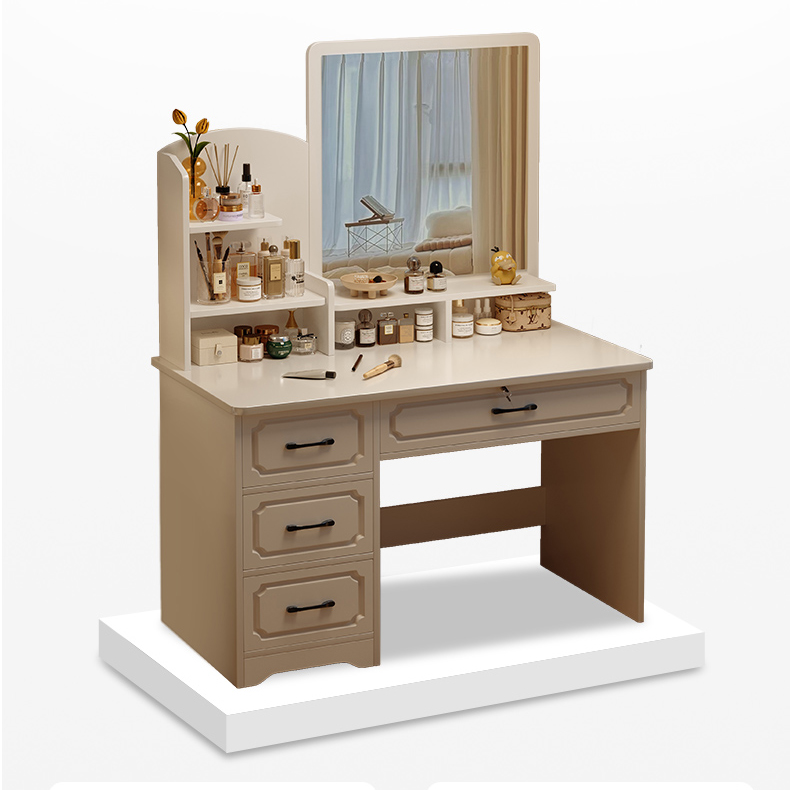
Walnut Furniture embodies refined luxury. Walnut’s rich, deep chocolate hues and fine grain pattern evoke sophistication. Rated moderately hard at 1010 Janka, it strikes a balance between durability and elegance, making it highly sought after for statement furniture pieces. Walnut’s natural stability helps maintain shape in varied climates, an important factor when exporting to diverse markets.
When selecting your wood type, consider your lifestyle and space usage:
We frequently encounter customers who regret their choice due to mismatched wood properties and usage conditions. For instance, heavy use pine furniture can quickly show signs of wear, affecting durability perceptions and brand reputation in B2B relations. Conversely, opting for walnut in high-humidity zones without adequate treatment may lead to unexpected finish damage.
“Choosing the right wood isn’t just about style — it impacts supply chain reliability and customer satisfaction over years. Our advice is clear: assess environmental factors and buyer preferences closely before committing.” – Furniture Industry Expert Jane M.
Your final choice should revolve around three pillars:
Think about your end users’ expectations and environment. What kind of story do you want your furniture pieces to tell? How important is maintenance to your target market? Reflecting on these can guide you to furniture that becomes a lasting companion for homes worldwide.
Ready to select wood that makes every furniture piece worth a lifetime of memories? Explore Our Premium Solid Wood Furniture Collection Now
Question for you: Which wood type do you feel aligns best with your current project or market needs? Share your insights or challenges below — your experience can inspire others in our global community.


 478
|
478
|
 minimalist wooden shoe cabinet
solid wood shoe cabinet maintenance tips
multi-purpose wooden storage solutions
180
|
Home Decor
Shoe Cabinets
Space Organization
Entryway Storage
Modern Living
37
|
wood furniture characteristics
oak furniture pros and cons
pine wood furniture features
walnut furniture selection guide
furniture buying tips
269
|
workspace design
elegant office
Wooden office furniture
216
|
home design
dressing table
functional features
minimalist wooden shoe cabinet
solid wood shoe cabinet maintenance tips
multi-purpose wooden storage solutions
180
|
Home Decor
Shoe Cabinets
Space Organization
Entryway Storage
Modern Living
37
|
wood furniture characteristics
oak furniture pros and cons
pine wood furniture features
walnut furniture selection guide
furniture buying tips
269
|
workspace design
elegant office
Wooden office furniture
216
|
home design
dressing table
functional features